Chris Hall
Personal Trainer and Founder of Hall Personal Training
Exercise Nutrition
February 13, 2015
What is whey protein?
Whey is a natural product, which separates from milk during cheese production.
Why take whey protein?
Most of us gym-lovers take supplements and protein to get the best out of our bodies, and for many of us whey protein is the first port of call. We know why it’s important to have a good protein intake (if you don’t you can check out my seminar on protein here), but not many people I chat to know why whey protein is sticking firmly at the top of the sports nutrition market.
It’s well-established that protein and amino acid supplementation can promote protein-synthesis, which is key to building muscle [1]. But the benefits of whey don’t end there: Whey is considered to have immune-enhancing properties in it’s ability to elevate precious stores of glutathione [2] (a powerful antioxidant) in the body and contains immune boosting lactoferrin. In addition the calcium and non-fat dry milk have been shown to regulate body composition.
Compared to other proteins, whey proteins have a high protein quality score, and contain a relatively high proportion of branch-chain amino acid. In particular, they have an abundance of Leucine, which is the most effective amino acid for protein synthesis. Whey proteins can also be absorbed rapidly by the stomach [3], which, if you believe in the anabolic window*, can only be a good thing. Whey protein has also been shown to suppress appetite and increase satiety more than other proteins, such as casein, soy and egg [4].
Whey and body composition
Recent studies show that calcium and the distinctive mineral mix in whey protein can minimise the accumulation of body fat, and even speed up fat loss when individuals are restricting calories. In fact, high calcium diets promote a lean body composition at all energy intakes, and act to speed up fat loss during calorie restricted periods [5]. Whey protein has specifically been shown to help preserve lean muscle mass and increase fat oxidation [6,7].

The different types of whey protein
As you will probably have noticed, there is more than one variety of whey protein on sale. The three main types are concentrate, isolate and hydrolysate, and they are different due to the processing methods used.
Whey protein concentrate (WPC) is the cheapest whey protein on the market. It has a protein content of around 80%, where as whey protein isolate (WPI) has a protein content of about 90%. To create WPI, the fat, lactose and carbohydrates present in WPC are removed, leaving a purer protein. This is useful for those who are trying to keep a very low body fat, or for those who are lactose intolerant. It must be noted that WPI does tend to be more expensive and less tasty than concentrate though!
Isolate is sometimes processed further to create whey protein hydrolysate (WPH). The benefit of WPH is that the amino acids have been broken down into smaller chunks, allowing for faster absorption [8], but I have to warn you, it tastes disgusting. Hydrolysate causes a much greater insulin spike that concentrate and isolate.
So which is the best?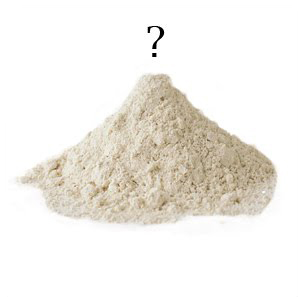
The type of protein you choose will depend on your goals and your budget. Concentrates retain many health benefits lost when processing to isolates, but isolates often contain more protein per serving. At the end of the day it comes down to individual choice: if you’re willing to sacrifice taste and a little bit more cash, and desperate to shed body fat, go for isolate, but on the whole I’d advise sticking with concentrate, it’s the one I personally prefer.
About Chris Hall
As the founder of Hall Training Systems, it is my mission to provide you with the very best personal training experience. I set up Hall Training Systems as Oxford’s leading personal training service in nutrition, performance and weight loss, ensuring I can deliver the very best in training techniques.
You can find me on Facebook, Google+ or why not even give us a Tweet @Hall_Training

Chris Hall
Personal Trainer and Founder of Hall Personal Training
you may also enjoy...

How Many Steps Should I Actually Walk a Day?
Vitamin D in Winter: Why Your Levels Drop and How to Optimise
beyond just sun and supplements

The Post-Plunge Protocol: Why Temperature Is the Missing Key to Red Light Therapy Success
Why Your Weight Loss Drug (Mounjaro) Is Aging You by 20 Years
and knocking years off your life

How Much Is Personal Training at Hall Training? The Complete Cost & Value Guide
why we’re comfortable being the premium choice for personal training in Oxfordshire