Chris Hall
Personal Trainer and Founder of Hall Personal Training
Exercise Mindset Wellness
September 11, 2025
Why the “before vs. after” debate misses the point – and how to time your cold exposure for maximum results
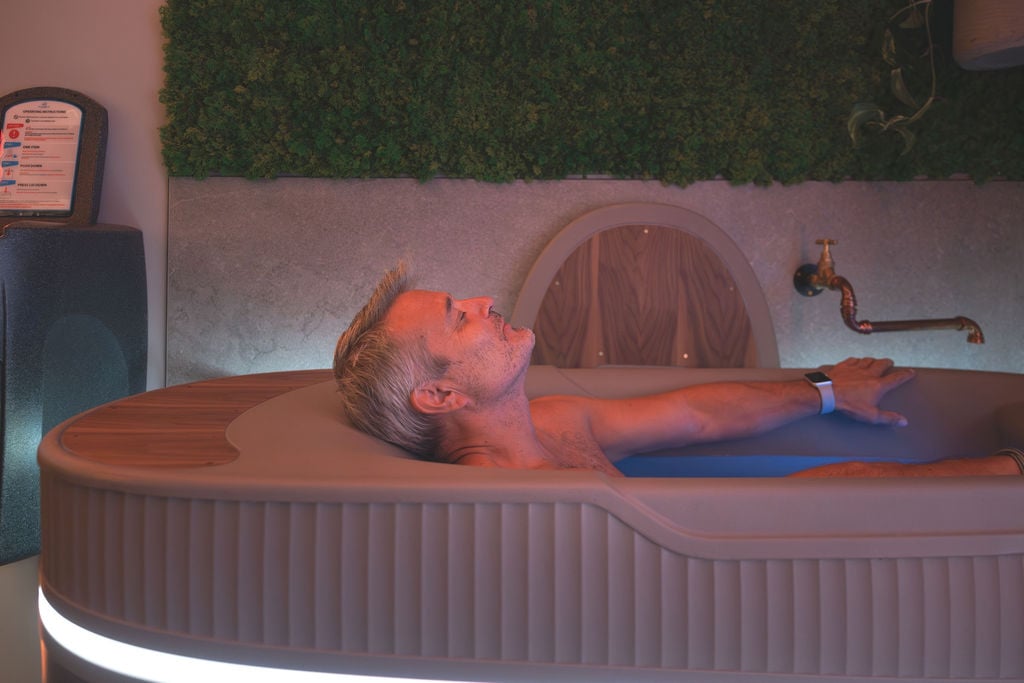
I’ll be honest – two years ago, I thought ice baths were just another wellness trend. Fast forward to today, and cold water immersion has completely transformed how I handle stress, recover from workouts, and approach challenges both in and out of the gym.
But here’s where it gets interesting: the timing of your ice bath can make or break your results.
You’ve probably seen the contradictory advice online. “Ice baths are amazing for recovery!” one expert claims. “Ice baths destroy your gains!” another warns. The truth? They’re both right – it just depends on when you use them.
After diving deep into the research – both scientific and anadotal (and experimenting on myself), I’ve put together this comprehensive guide to cut through the confusion. Whether you’re chasing performance gains, faster recovery, or both, here’s everything you need to know about timing your cold exposure.
Just want to skip to the actionable takeaways? Here’s your cheat sheet:
For Performance (Pre-Exercise)
For Recovery (Post-Exercise)
For Performance & Recovery (Post-Exercise)
However, you’re like me and want to know more around the scccience and the specifics, then read on – let’s start with the science of heat.
The confusion around ice baths stems from one crucial misunderstanding: cold exposure triggers different physiological responses depending on when you use it.
Post-exercise ice baths excel at reducing inflammation and muscle soreness – perfect for competition recovery. But they also suppress the very proteins your muscles need to grow stronger. Studies show cold water immersion immediately after strength training can blunt muscle protein synthesis for up to 48 hours.
Pre-exercise cooling, however, tells a completely different story.
Here’s what most people don’t realise: your body’s ability to perform isn’t just limited by energy – it’s limited by heat.
As the body warms, fatigue sets in, making it harder to sustain pace or output. Energy from muscle contractions is converted into thermal energy, raising core temperature. Heart rate drifts upward, perceived exertion rises, and the body slows us down to prevent overheating. If our body gets too hot, the brain signals us to stop – protecting us from hyperthermia.
Research insight: A study of 23 men showed that those who cooled down fastest after exercise had the greatest cardiovascular fitness levels (Jastrzebska et al., 2022)
Think of it as your body’s built-in safety mechanism. When internal temperature gets too high, your brain essentially says: “Slow down, or we’re in trouble.”
Stanford scientists Dennis Grahn, PhD and Craig Heller, PhD made a game-changing discovery in their research dating back almost 20 years. In a series of experiments, they found that extracting heat from specific body regions could dramatically enhance performance by postponing fatigue. (Grahn et al., 2005)
The secret lies in targeting arterio-venous anastomoses (AVAs) – specialised blood vessels located in:
These AVAs act as your body’s primary heat exchange highways. Unlike regular capillaries, AVAs can dilate up to 10 times their normal size, allowing massive amounts of blood flow for rapid heat transfer. When you cool these specific areas, you’re essentially turbo-charging your body’s natural cooling system.
The Stanford results were staggering:
Whilst the Stanford protocol involved targeted cooling devices for palms and feet, this approach isn’t exactly gym-friendly. Enter the ice bath, which is a more accessible solution that targets all your body’s cooling zones simultaneously.
Full-body cold water immersion provides comprehensive cooling that:
Studies on whole-body pre-cooling consistently show:
By starting your workout with a lower baseline temperature, you can:
One particularly fascinating study from Australia tested cyclists using hot water immersion before exercise and found performance dropped by 15%, reinforcing the protective role of heat-related fatigue. (Dennis et al., 2022)
Beyond the physiological benefits, pre-exercise ice baths offer a powerful psychological advantage. Cold exposure activates the anterior midcingulate cortex (aMCC) – the brain region associated with willpower, tenacity, and resilience. (Huberman PHD., 2024)
Athletes and long-lived individuals consistently show larger aMCC regions, and the only way to grow this area is through deliberate discomfort – aka. doing hard things. Stepping into an ice bath cold enough to scare you – and staying in just long enough to regain the breath and calm the nervous system – is a powerful way to build aMCC-driven resilience. That 2-4 minutes in ice-cold water? It’s literally training your brain for mental toughness before you even touch a weight.
This is not to say we should write off post-exercise cold plunges entirely. Used strategically, they’re incredibly powerful:
Use Ice Baths Post-Exercise When:
Avoid Ice Baths Post-Exercise When:
The sweet spot? Wait at least 4 hours after strength training to avoid interfering with muscle protein synthesis and the body’s natural repair process, whilst still gaining anti-inflammatory benefits.
We’ve talked a lot about the cold and it’s benefits before exercise, inculding strategic cold after exercise, both having their place. But one modailty which oftern get overlloked is the sauna, which consistently delivers post-workout, but like the cold, timing is absolutely critical here.
Why Pre-Exercise Sauna Backfires
Never use sauna before intense training – it’s performance suicide: Heat exposure before exercise creates a perfect storm of performance limitations:
Our Australian research confirms this: athletes subjected to hot water immersion before bicycle sprints saw performance decreases of 15%. When your body is already fighting heat stress, adding exercise intensity becomes an uphill battle your muscles simply can’t win.
Post-Exercise: Where Sauna Shines
Unlike ice baths, saunas enhance rather than blunt exercise adaptations when used post-workout:
Proven Sauna Benefits:
Additionally, a study on endurance runners found that 30 minutes of sauna (3x per week for 3 weeks) increased run time to exhaustion by 32% compared to controls. The effects were linked to increased blood plasma (7.1%), red blood cell count (3.5%), and total blood volume – all of which support nutrient and oxygen delivery to muscles.
The mechanism? Heat stress creates a hormetic response – a controlled stress that makes your body adapt by becoming stronger. The increased blood flow, growth hormone response, and enhanced protein synthesis actually amplify your training stimulus. Post-exercise sauna creates beneficial hypoxic stress for your muscles. As blood vessels dilate to bring blood to the skin for cooling, less oxygen reaches the muscles, creating an additional adaptive stimulus that mimics altitude training effects.
Key insight: Heat + exercise = performance killer. Exercise + heat = performance enhancer.
Unlike temperature-based therapies, light therapy – specifically red and near-infrared light (NIR) – can be applied both before and after exercise. Although awareness in the general community is still growing, more than 3,000 peer-reviewed studies highlight its wide-ranging benefits. At Avanto° Wellness, we use red and NIR light to help people feel and perform at their best. It can improve skin tone, ease aches and inflammation, boost brain function, and increase energy at a cellular level. Beyond everyday health, it can also make a real difference to exercise performance and recovery – helping you train harder, recover faster, and feel stronger.
For Maximum Performance:
For Muscle Growth Focus:
For Performance & Recovery:
The key insight for muscle growth and performance: pre-cooling actually supports your goals by allowing you to train harder and heavier whilst boosting anabolic hormone production. The concern about blunting adaptations applies specifically to immediate post-exercise cold exposure, not pre-exercise protocols.
For Competition/High Volume:
The ice bath debate isn’t about whether cold therapy works – it’s about matching the right tool to your specific goal and timing it correctly.
Cold exposure is powerful medicine, but like any medicine, dosage and timing determine whether it helps or hurts.
Want to break through performance plateaus? Try pre-cooling. Need to bounce back from intense competition? Strategic post-exercise cold therapy has your back. Building muscle? Skip the immediate post-workout ice bath, but don’t skip the sauna.
Most importantly: Listen to your body, track your results, and adjust accordingly. The best protocol is the one you can consistently execute whilst monitoring how your body responds.
Would you like to discover how strategic cold (and heat) exposure could transform your training and recovery? I’d love to hear about your goals and help you create the perfect protocol. Contact us at Avanto° to discuss your specific needs, or join our newsletter community for science-backed wellness insights and to receive a 50% off code on your first cold plunge and sauna experience.
Chris Hall
Personal Trainer and Founder of Hall Personal Training
you may also enjoy...
How Many Hours Per Week Should You Exercise? The Science-Backed Answer
We break down exactly how to split your time between strength and cardio for maximum health, longevity, and results.
Why Most People Never Start Exercising (Even When They Really Want To)

How Many Steps Should I Actually Walk a Day?
We’re Not for Everyone
Not for quick fixes, short-term chasers, or solo lifters

Why Women Should Cold Plunge – and the Benefits You’ll See
is cold exposure safe for women?