Chris Hall
Personal Trainer and Founder of Hall Personal Training
Miscellaneous Nutrition Wellness
November 1, 2016
As winter arrives and the cold weather sets in there’s only one type of food that helps to warm our bellies – carbohydrates. Today I want to talk about a group of carbohydrates known as ‘grains’.
Grains are any food made from wheat, rice, oats, cornmeal, barley or another cereal. Bread, pasta, oatmeal, breakfast cereals, tortillas, and grits are all examples of grain products.
Grains can be divided into 2 groups:
Most grains have been given a bad rap over the last few years with some ‘experts’ claiming that consuming them causes weight gain, abdominal bloating, cardiovascular disease and even cancer. Eating any foods in excess will inevitably cause weight gain and sometimes bloating, but to say grains are a danger to one’s health is completely absurd and certainly not true! If anything, I can only see grains being beneficial to health as they’re useful sources of minerals, antioxidants and fibre, which should all feature as part of a healthy diet, alongside lean proteins and healthy fats. So, to reap the benefits, I’ve made a guide to some great grains:
Amaranth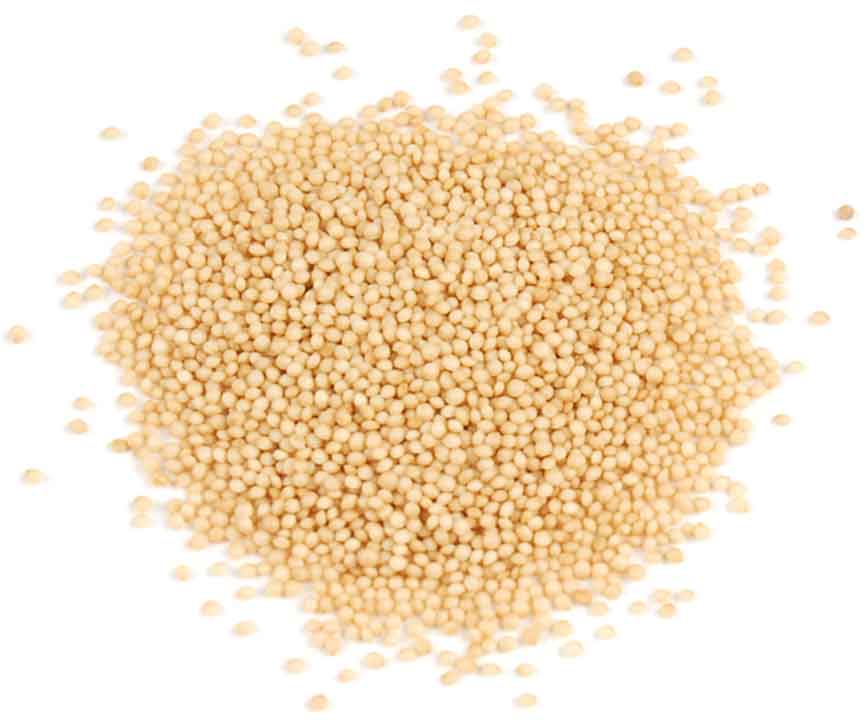
Amaranth is usually rich in magnesium, which is required for muscle relaxation and helping the body to manage stress; calcium, which helps to maintain bone density; iron which carries oxygen round the body, and lysine (some evidence suggests it helps counter the effects of cold sores but more importantly it helps to reduce calcium loss and therefore good for bone health).
Tip: It is in the same family as quinoa and beetroot and contains no gluten. In fact it’s technically not a grain at all but cooks like rice or can be used as a substitute to popcorn.
Barley

Chris Hall
Personal Trainer and Founder of Hall Personal Training
you may also enjoy...

How Many Hours Per Week Should You Exercise? The Science-Backed Answer
We break down exactly how to split your time between strength and cardio for maximum health, longevity, and results.
Why Most People Never Start Exercising (Even When They Really Want To)

How Many Steps Should I Actually Walk a Day?

We’re Not for Everyone
Not for quick fixes, short-term chasers, or solo lifters

Why Women Should Cold Plunge – and the Benefits You’ll See
is cold exposure safe for women?