Chris Hall
Personal Trainer and Founder of Hall Personal Training
Mindset Nutrition Wellness
May 9, 2025
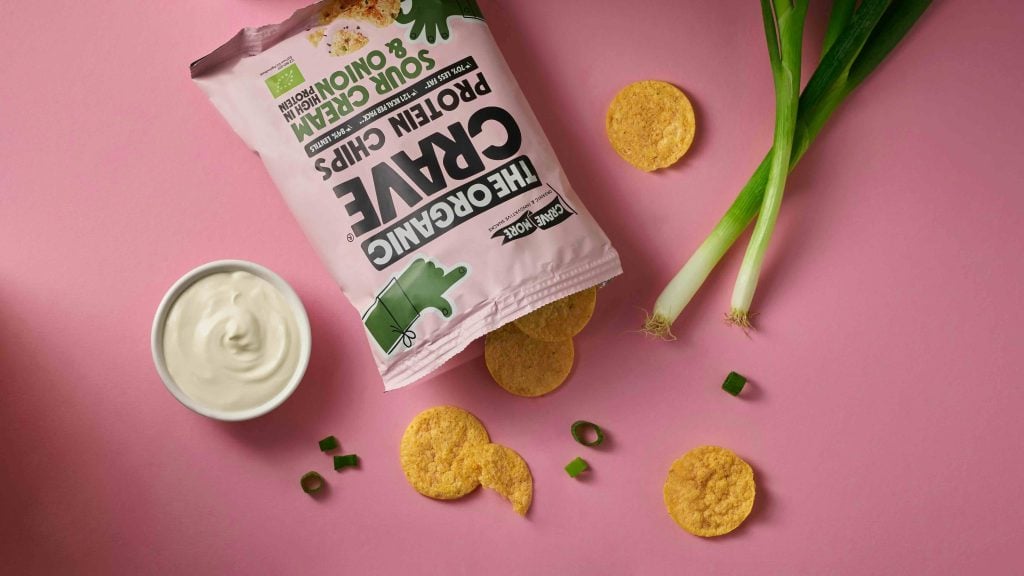
In our previous blog we explored our habits around modern snacking, and uncovered some startling truths: the average person consumes 580 calories daily from snacks alone, while screen time increases our consumption by up to 25%. We learned how food companies engineer ‘hyper-palatable’ foods to hit the perfect ‘bliss point’ and how sophisticated marketing tactics trigger emotional eating. Armed with this knowledge of why we snack mindlessly, we can now focus on practical, evidence-based solutions to regain control over our snacking habits.
Understanding how food companies engineer snacks to be irresistible, as Michael Moss reveals in “Hooked,” helps us develop more effective counter-strategies. By combining Moss’s insights about food industry tactics with Hillis’s practical skills, we can create a more comprehensive approach to healthy snacking.
Start your morning by eating a satisfying breakfast that includes protein, fibre, and healthy fats. This stabilises blood sugar and prevents the mid-morning energy crashes that food companies count on to sell their products. Plan your breakfast, focusing on whole foods that don’t contain the manufactred flavours that are ultra-processsed, designed to override our natural satiety signals.
For example, a good breakfast might look like:
3. Afternoon Energy Strategy: The afternoon represents a particularly vulnerable time for many of us. As Moss points out, food companies specifically target afternoon (and evening) slumps with their marketing. Combat this by:
Both Hillis and Moss acknowledge that occasional slips are normal, especially given how deliberately snack foods are engineered to be irresistible. From experience, we’ve found our members have the greatest success by having a strategy to recover quickly and learn from these moments.
When you find yourself overdoing it with snacks, resist the urge to label it as a failure. Instead, view it as valuable information about your triggers, your behaviour and patterns. Ask yourself:
Understanding Marketing to Make Better Choices: Moss reveals how food companies use nostalgia and emotional connections to sell their products. Armed with this knowledge, we can:
Environmental Design – Beyond the Kitchen: Your environment extends beyond your immediate space. Consider:
Screen Time and Snacking: Given that screens are an unavoidable part of modern life, develop strategies that acknowledge this reality while minimising its impact on snacking:
Create designated “screen snacking” times if needed, but make them intentional and planned. Use a small plate or bowl rather than eating from packages, and portion out snacks before sitting down with screens. This maintains some control while acknowledging that completely eliminating screen-time snacking might not be realistic for everyone.
Social Navigation: Social situations often centre around food, and food companies know this. Their marketing often targets social gatherings and celebrations. Develop strategies for these situations:
The key to lasting change lies in understanding both the external forces working against us (as Moss reveals) and the internal skills we can develop (as Hillis teaches). By combining these insights, we can create personalised strategies that acknowledge the challenges of our food environment while building the skills needed to navigate it successfully.
Remember, the goal isn’t perfection but progress. Every small choice adds up to significant change over time. Start with one strategy that resonates with you, practice it until it becomes natural, then add another. This gradual approach leads to sustainable transformation in your relationship with food and snacking.

Chris Hall
Personal Trainer and Founder of Hall Personal Training
you may also enjoy...

How Many Hours Per Week Should You Exercise? The Science-Backed Answer
We break down exactly how to split your time between strength and cardio for maximum health, longevity, and results.
Why Most People Never Start Exercising (Even When They Really Want To)

How Many Steps Should I Actually Walk a Day?

We’re Not for Everyone
Not for quick fixes, short-term chasers, or solo lifters

Why Women Should Cold Plunge – and the Benefits You’ll See
is cold exposure safe for women?