Fitness events in Oxford across November
Oxford, Britain’s 52nd largest city with a population of 151,900 people [1]. Once the capital of England during the English Civil War, Oxford is known as the “city of dreaming spires”, a term coined by poet Matthew Arnold, and is one of the most sought after cities to live. Home to Oxford University the oldest university in the English speaking language. Proud to have educated some of Britain’s finest Prime Misters, the likes of Margaret Thatcher and Tony Blair. Oxford has links to some of the best selling authors of all time including; Lewis Carroll, JRR Tolkein, and Philip Pullman, to name a few, and boasts Sir Roger Bannister, the first person in history to break the sub four minute mile barrier back in 1954.
Those who live in Oxfordshire are generally healthier and are expected to live longer than the national average for England. In 2012, only 20.2% of adults were classified as obese, which again is better than average [2].
I believe people living in Oxford tend to place greater value on their health and well-being and take pride in looking and feeling great. In fact, 53.9% of Oxfordshire are aware or concerned about their weight [3]. Oxford County Council have stated they are making it a priority of theirs to reduce obesity figures in both children and adults as well as to see an increase physical exercise [2].
Personally, I love Oxford and wish to see it live on as one of the greatest cities to live in, in the world. One reason I launched Hall Training Systems, was to offer the people of Oxford and those who visit the opportunity to take their health and fitness to the next level, and so founded one of Oxford’s finest personal training services.
I understand we cannot cater for everyone, nor is personal training a service that you may be ready to take up just yet. So, it’s why every month I bring you a review of Oxford’s sporting and fitness events that’s going on in the commmuity. I hope there’s something for everyone.
Let’s get Oxfordshire moving!
Fitness events this month around Oxfordshire:
G-Fit Mums
About: Get back into fitness after having a baby!
Where: Gladiator Fitness Studio
When; every Wednesday, Friday
How much: £6:00
More Info
Yoga Class
Where: The Clifton Centre
When: every Wednesday
How much: contact elaine@yogabeing.co.uk
More Info
Hot Bikram Yoga
About: Hot Bikram yoga suitable for all levels and fitness abilities
Where: YogaVenue
When: see website
More Info
Active Forever
About: Sport and social session for over 60’s
Where: The Park Club Milton
When: every Monday
How much: £2 non-members, free for members
Team Gladiator Running Group
Where: Gladiator Fitness Studio
When: every Sunday
How much: free
Pole Fitness
About: Pole Fitness combines dances, gymnastics and virus skills to get you fit!
Where: Jherico Community Centre
When: Sundays
How much: £7
Zumba
About: Dance based fitness
Where: The Old Fire Station
When: every Monday, Wednesday
How much: £5-£6
Multi-skill Sport & Fun Exercise for 2-4 year olds
About: Basic key skills. Games, balls, parachute, hoops, balance, gymnastics, running and lots of fun.
Where: St Clements Family Centre
When: see website
Oxford Walking and Bike Tours
About: See the best parts of Oxford as you take a 2 hour bike tour in and around the parks and collages of Oxford
Where: Tours start opposite Fudge Kitchen, 5 Broad Street
When: Monday to Sunday
How Much: Free – £25 per person
More Info
Sources
[1] http://www.oxford.gov.uk/PageRender/decC/Population_statistics_occw.htm
[2] Public Health Profile: Oxfordshire, 12 August 2014
[3] Oxfordshire Insight. Mosaic Dashboard
How the timing of calories may be important for weight loss!
We’ve all heard the phrase: “Eat breakfast like a King, lunch like a Prince, and dinner like a pauper!” – Adelle Davis (1904-1974)
In fact, the Spanish are very good at this and adopt this pattern of eating today! The theory around losing weight isn’t difficult or necessarily complex, it’s basic physics. The law of thermodynamics dictates if we expend more energy than we consume we’ll inevitably lose weight, no doubt about it! There’s also evidence to suggest that it doesn’t matter where these calories come from as long as we’re in caloric deficit [1]. Despite this all sounding very easy, energy intake and expenditure are not the only factors known to influence the success of a dietary intervention on obesity. Recently, there have been several studies looking at the timing of meals and caloric intake to predict whether ‘when’ we eat our calories has an effect on weight loss too.
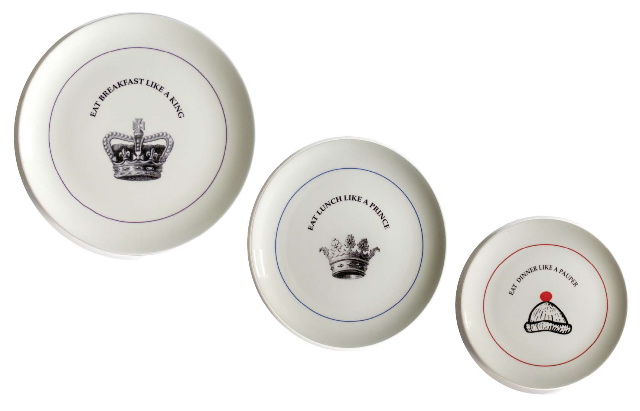 A study published in the International Journal of Obesity, looked at how timing of meals had an impact on weight-loss in humans [2]. The study took 420 overweight men and women. Dietary intake was assessed in all volunteers during the entire 20-week trial and the subjects were divided into two groups. Group 1 (the early eaters) consumed 51 percent of their total daily Kcals before 3pm, and Group 2 (the late eaters) ate 49 percent of their calories after 3pm. Wide ranges of biomarkers were monitored throughout the study. They included obesity and metabolic syndrome parameters, such as weight, height, total body fat and body fat distribution, as well as the levels of the appetite hormones leptin and ghrelin. Plasma concentrations of glucose, cholesterol, triglycerides and lipoproteins were also assessed.
Following the 20 weeks both groups had lost weight, with the early eater losing a significantly greater amount of weight (9.9kgs on average) compared with the late eaters (7.7kgs on average). It was also observed that late eaters showed a slower rate of weight loss after five weeks of the treatment and this difference was maintained during the remaining period of the study. The differences in weight loss between the groups came as a surprise to the researchers, since there were no significant differences in total energy intake or energy expenditure between late and early eaters.
A second study conducted back in December 2013 compared a weight loss diet in overweight and obese women looking at high caloric intake during breakfast (700kcals breakfast, 500kcals lunch, 200kcals dinner) compared with a high caloric intake at dinner (200kcals breakfast, 500kcals lunch, 700kcals dinner) on an isocaloic diet of 1400 calories per day.
After 12-weeks the breakfast group showed greater weight loss and reduced waist circumference, along with significantly lower mean hunger scores and a greater level of satiety compared to the women who ate 700 calories at dinner [3]. The researchers concluded, “High-calorie breakfast with reduced intake at dinner is beneficial and might be a useful alternative for the management of obesity and metabolic syndrome.”
A more recent study published in May 2014 also showed that eating the majority of your calories earlier in the day can help you lose weight. Two groups followed the Mediterranean diet, emphasizing on fruits, vegetables, whole grains, olive oil, beans, nuts, legumes, herbs and spices, fish/seafood, poultry, eggs, diary, etc. For both groups, the diet they followed contained 55 percent carbohydrates, 30 percent fat and 15 percent protein. The main difference between the groups was the distribution of these calories throughout the day.
Group 1 consumed 70 percent of their calories at breakfast, morning snack and lunch, and 30 percent for their afternoon snack and dinner. Group 2 consumed 55 percent of their calories for breakfast, morning snack and lunch, with the remaining 45 percent for afternoon snacks and dinner. After 3 months, the results indicated significantly improved body composition, metabolic parameters, lower blood pressure and cholesterol in both groups. However, group 1 lost more weight and had much better insulin sensitivity compared to group 2 [4].
The researchers concluded, “A low-calorie Mediterranean diet with a higher amount of calories in the first part of the day could establish greater reduction in fat mass and improved insulin sensitivity than a typical daily diet.” In conclusion, consuming 15 – 28.5 percent of your calories earlier on in the day may help you reach you weight loss and health goals that little bit faster, while also increasing your sense of satiety and feeling of fullness.
Studies like these are the first of their kind showing that although calories in versus calories out is important for weight loss, the timings of these calories may also play an important part. It also shows promise of brining back the traditional English breakfast, which is good enough for me!
Sources:
[1] Buchholz AC, Schoeller DA. Is a calorie a calorie? Am J Clin Nutr. 2004;79(5):899S–906S.
[2] Garaulet M, Gómez-Abellán P, Alburquerque-Béjar JJ, et al. (2013). Timing of food intake predicts weight loss effectiveness. International Journal of Obesity 37:604-611. Doi:10.1038/ijo.2012.229
[3] Jakubowicz D, Barnea M, Wainstein J, Froy O. High caloric intake at breakfast vs. dinner differentially influences weight loss of overweight and obese women. Obesity (Silver Spring). 2013;21(12):2504-12. doi: 10.1002/oby.20460.
[4] Lombardo M, et al. J Am Coll Nutr. 2014 May 8:1-8. [Epub ahead of print.]
About Chris Hall
As the founder of Hall Training Systems, it is my mission to provide you with the very best personal training experience. I set up Hall Training Systems as Oxford’s leading personal training service in nutrition, performance and weight loss, ensuring I can deliver the very best in training techniques.
You can find me on Facebook, Google+ or why not even give us a Tweet @Hall_Training
Was Popeye right? Does Spinach increase strength and muscle mass? Pt 2
I’m now here to discuss the second in our two-part article on the potential spinach may offer in regards to performance. In the first part, I discussed how spinach was a superfood, a little powerhouse full of vitamins and minerals. I also talked about was how little iron spinach contained despite popular belief, and whether an active compound in spinach (ecdysterone) brought about an anabolic response and the potential for increased muscle mass. I’m sad to say unless you’re a rat, a pig or a sheep you’re unlikely to benefit from any significant anabolic response, sorry! If this is the case, then why did Popeye love his spinach leaf so much?
Well, what most people are unaware of is that spinach also contains a molecule called betaine. Yes, the same betaine that you would otherwise find in sugar beets, wheat bran, beetroot and spinach [1][2]. It can also be synthesised from choline in your body when dietary intake exceeds your current metabolic requirement (Ueland 2011). Interestingly enough though, if we look at figure 1 you’ll see spinach ranks higher in its betaine content than beets do, almost 3x higher in fact! (Craig. 2004) You can see wheat bran and wheat gem are at the top, which makes me wonder if Popeye had a wheat allergy. Why else would he miss these out of his diet?

(Figure 1)
So, the question is…
What is betaine and does it have any affect on performance or muscle growth?
Betaine is otherwise known as Trimethylglycine (TMG) but for the purpose of this article I’m just going to be referring to it as betaine. Most of you will associate betaine with beetroots and its vasodilatory properties. After all, every health store across the country has been advertising how beetroot’s nitrates can increase vasodilation – it’s been this years’ must-have supplement! I’m afraid to say the marketing claims behind beetroot and its ability to increase vasodilation of the blood vessels levels are mostly false.Despite its reputation, betaine has no affect on serum nitrate or nitrite levels. At least this is what two independent studies have found [3][4]. One study did find that consuming 6g of betaine per day did in fact increase levels of nitric oxide [5], but that’s 3x the dose of the previous studies, and would equate to the consumption of almost 1kg of spinach, or 3kgs worth of beetroot! This hardly seems worth the effort when other supplements will have the same affect. Instead, you could take 6g of the amino acid L’citrulline.
Another claims surrounding betaine is that it can help decrease fat mass, increase power output and increase muscle protein syntheses (Apicella 2012). According to a more recent study, betaine supplementation of only 1.25g twice per day saw increases in lean muscle tissue by as much as 4lbs, arm size by 10% and decreased fat mass by 7% in trained males [7]. Unfortunately, these claims and studies are locker room myths, misrepresented data or otherwise studies that failed to bring about noticeable results [8,9,10,11].
Although betaine doesn’t affect vasodilation or fat loss, it has been shown to increase growth hormone and IGF-1 by 7.8% following a morning fasted training session, and reduce cortisol levels raised by morning fasted training by 6.1% [12]. Both of these can only be a plus, but there are studies contradicting these results.
Where betaine really shines through is in its ability to reduce homocysteine levels in the body. Homocysteine is a marker of cardiovascular disease, and it is thought that higher circulating levels of homocysteine are indicative of a higher risk of strokes and heart attacks. Higher levels have also been linked to the risk of developing Alzheimer’s disease [13]. Betaine has shown promise across numerous human trails, being the number one supplement for reducing homocysteine. A single dose has previously lead to around a 10% reduction in persons with normal homocysteine levels [14] and a 20-40% reduction in those with high levels of homocysteine [15].

(Spinach – Popeye’s pre-workout)
So this begs the question…
Was Popeye right? Does spinach increase strength and muscle mass?
Given the evidence I’ll have to say no, until the research is clearer. Research around betaine’s ability to increase muscle growth, sports performance and positively affect growth hormone is conflicting, but there’s one thing for certain: it’s a wonder drug at reducing homocysteine levels and keeping yourself at bay from any type cardiovascular diseases! I think Popeye must have realized the importance of keeping his homocysteine levels in check, as well as an intolerance to wheat that left spinach as the go-to food for his daily betaine fix!
Sources:
[1] Craig SA. Betaine in human nutrition. Am J Clin Nutr. (2004)
[2] Zeisel SH, et al. Concentrations of choline-containing compounds and betaine in common foods. J Nutr. (2003)
[3] Bloomer RJ et al. Effect of betaine supplementation on plasma nitrate/nitrite in exercise-trained men. J ISSN (2011)
[4] Trepanowski JF, et al. The effects of chronic betaine supplementation on exercise performance, skeletal muscle oxygen saturation and associated biochemical parameters in resistance trained men. J Strength Cond Res. (2011)
[5] BETAINE INDUCED RELEASE OF TISSUE FACTOR PATHWAY INHIBITOR AND NITRIC OXIDE: IMPLICATIONS IN THE MANAGEMENT OF CARDIOVASCULAR DISEASE
[6]Ochiai M, Hayashi T, Morita M, et al. Short-term effects of L-citrulline supplementation on arterial stiffness in middle-aged men. Int J Cardiol. 2012;155(2):257-61. doi: 10.1016/j.ijcard.2010.10.004.
[7] Cholewa, J. M., et al. Effects of betaine on body composition, performance, and homocysteine thiolactone. J Int Soc Sports Nutr. 2013 Aug 22; 10(1): 39.
[8] Schwab U, et al. Betaine supplementation decreases plasma homocysteine concentrations but does not affect body weight, body composition, or resting energy expenditure in human subjects. Am J Clin Nutr. (2002)
[9] Apicella JM, et al. Betaine supplementation enhances anabolic endocrine and Akt signaling in response to acute bouts of exercise. Eur J Appl Physiol. (2013)
[10] Hoffman JR, et al. Effect of 15 days of betaine ingestion on concentric and eccentric force outputs during isokinetic exercise. J Strength Cond Res. (2011)
[11] Pryor JL, Craig SA, Swensen T. Effect of betaine supplementation on cycling sprint performance. J Int Soc Sports Nutr. (2012)
[12] Apicella JM, et al. Betaine supplementation enhances anabolic endocrine and Akt signaling in response to acute bouts of exercise. Eur J Appl Physiol. (2013)
[13] McCaddon A, et al. Total serum homocysteine in senile dementia of Alzheimer type. Int J Geriatr Psychiatry. (1998)
[14] Schwab U, Törrönen A, Toppinen L, et al. Betaine supplementation decreases plasma homocysteine concentrations but does not affect body weight, body composition, or resting energy expenditure in human subjects. Am J Clin Nutr. 2002;76(5):961-7.
[15] Effect of Folic Acid and Betaine Supplementation on Flow-Mediated Dilation: A Randomized, Controlled Study in Healthy Volunteers
About Chris Hall
As the founder of Hall Training Systems, it is my mission to provide you with the very best personal training experience. I set up Hall Training Systems as Oxford’s leading personal training service in nutrition, performance and weight loss, ensuring I can deliver the very best in training techniques.
You can find me on Facebook, Google+ or why not even give us a Tweet @Hall_Training
Why, when it comes to eating almonds you can afford to go a little nuts!
Worried about eating too many nuts in fear of gaining weight? Relax, as new research suggests you may be able to have a few extra handfuls without undoing all of your hard work.
Almonds are considered the nut to eat when on any weight loss diet. Most of us by now have heard of the ‘almond mystery’, a mystery that people can eat copious amounts of almonds without putting weight on. Sound too good to be true? Well, let’s take a look.
One study [1] looked at the effect of consuming an additional intake of 320kcals from almonds, and the affect it had on body weight. Over a 6 month period, eighty-one male and female subjects were asked to eat an additional 320kcals from almonds and to keep their current diet the same. The results showed that after 6 months, “it did not lead on average to statistically or biologically significant changes in body weight despite an increase of 40%-50% in the ratio of unsaturated/saturated fat intake.”
How is this possible?
The researchers from the study hypothesized that because the subjects were aware they were eating the additional calories, that they dispelled these calories by reducing caloric intake from other foods.
Researchers from the US Department of Agriculture think they’ve solved the puzzle. An average handful of almonds is worth at least 150kcals but the researchers believe you don’t absorb anything like all the calories that almonds contain. The researchers started by giving 18 test subjects a standard diet for 18 days, followed by a diet that was supplemented by 42g almonds each day for 18 days, and finally a diet supplemented by 84g almonds for another 18 days. Their findings showed you only absorb 68 percent of the energy that the nutrition table suggests, is present in almonds [2].
The researchers write:
“When an 84g serving of almonds was incorporated into the diet daily, the energy digestibility of the diet as a whole decreased by 5 percent. Therefore, for individuals with energy intakes between 2000 and 3000 kcal/day, incorporation of 84 g almonds into the diet daily in exchange for highly digestible foods would result in a reduction of available energy of 100–150 kcal/day.”
The amount of calories printed on the nutrition label is, in effect, overestimated by 32%. This means, if you like your almonds and consume 300kcals daily, you only really absorb 204kcals, leaving you with a ‘phantom’ 94kcals to play with. That said, the test was conducted using whole almonds. The study mentioned nothing about ground almonds and I imagine the energy uptake from ground almonds is considerably higher, leading to a greater caloric uptake.
Prefer pistachio nuts to almonds?
The researchers conducted a similar study using pistachio nuts, however, the results weren’t as attractive, as subjects absorbed 95 percent of the energy contained in the pistachio nuts [3]. Best stick to almonds.
This wouldn’t be the first example where nutrition labels have been wrong. It’s been shown that some overestimated the amount of calories a food is presumed to contain, showing an average of 8 percent more calories than the labels indicate [4]. Studies like these begin to question the accuracy of the Atwater system (a system that calculates the available energy of foods) and whether its accuracy of calculating the available energy from foods needs to be reevaluated.
Until such a time, I wouldn’t hesitate to have the occasional handful of almonds without worrying about weighing them out! After all, you’ll probably be undershooting anyway, as long as you’re sensible and don’t go nuts! – Sorry, I couldn’t help myself!
Sources:
[1] Hollis J, Mattes R. Effect of chronic consumption of almonds on body weight in healthy humans. Br J Nutr. 2007;98(3):651-6.
[2] Novotny JA, Gebauer SK, Baer DJ. Discrepancy between the Atwater factor predicted and empirically measured energy values of almonds in human diets. Am J Clin Nutr. 2012;96(2):296-301. doi: 10.3945/ajcn.112.035782.
[3] Baer DJ, Gebauer SK, Novotny JA. Measured energy value of pistachios in the human diet. Br J Nutr. 2012;107(1):120-5. doi: 10.1017/S0007114511002649.
[4] Urban LE, Dallal GE, Robinson LM, Ausman LM, Saltzman E, Roberts SB. The accuracy of stated energy contents of reduced-energy, commercially prepared foods. J Am Diet Assoc. 2010;110(1):116-23. doi: 10.1016/j.jada.2009.10.003.
About Chris Hall
As the founder of Hall Training Systems, it is my mission to provide you with the very best personal training experience. I set up Hall Training Systems as Oxford’s leading personal training service in nutrition, performance and weight loss, ensuring I can deliver the very best in training techniques.
You can find me on Facebook, Google+ or why not even give us a Tweet @Hall_Training
The Importance of the ‘Rest Day’!
It’s almost coming to the end of my Sunday, which to fair, has been a relaxing one. After all, Sunday is or was typically known as the day of rest. A day where banks are closed, schools are off, shops are operating under limited trading hours, all because Sunday should be a day where we relax and spend it with our families and loved ones.
However, there is a select group of people who would toss this philosophy out of the window whilst shouting – “Rest? Who needs rest? Rest is for the weak!” Hazard a guess who these people are? Yep, you’ve guessed it. You and me. People who enjoy going to the gym, lifting weights, and smashing our bodies to the limit day in, day out. Yet, how long can we endure this level of intensity before we throw in the towel and are forced to take a few days off? God forbid.
We’ve all seen them, the quotes online saying – “Rest day? Where is my rest muscle and how do I train it?” or “Rest Day? Worst day of the week!.” Jokes aside, your rest day is the most important day or days of the week. It’s when adaptation and growth occurs.
Remember: you don’t build muscle in the gym, you merely create a reason for them to grow.
The problem with rest, or taking days off is many of us feel guilty for not exercising and will often ignore the need for rest on the basis of, “I feel fine”so why not do a quick workout or HIIT session?
This then inevitably leads to problems and we then fall into a state of overtraining: A condition in which underperformance is experienced despite continued training.
Overtraining or overtraining syndrome (OTS) usually occurs if loads are too high with insufficient recovery time between sessions. Adaptations will not occur, and instead functional capacity is lost.
Any person or athlete who trains intensely, yet consistently under performs, is considered to be suffering from OTS.
OTS is a complex state that can be hard to recognise early on as overtraining is a gradual process and a subtle one. It occurs in three distinct stages:
The 3 stages of Overtraining Syndrome
Stage 1: Functional Overtraining. The first and earliest stage where very subtle signs and symptoms can indicate you’re starting to over train.
In this stage you may experience the following:
• Hormone imbalance. Elevations of cortisol (stress hormone) with secondary lowering of testosterone and DHEA levels.
• Abnormal hunger or craving for sweets.
• Sleeping irregularities and inability to fall asleep.
• Sexual dysfunction may be a problem for both men and women, typically producing reduced sexual desire and sometimes infertility.
• Mental and emotional stress, including mild or clinical depression. Anxiety is not uncommon either.
Stage 2: Sympathetic Overtraining. A more obvious stage associated with specific nervous, hormonal and mechanical imbalances causing a variety of signs and symptoms.
In this stage you may experience the following:
• Premenstrual syndrome and menopausal symptoms may be secondary complaints for women. Women may find their period disrupted or even stopped at this stage.
• Abnormal craving for salty foods.
• Often joints will become inflamed and painful.
• Cuts or wounds will take longer to heal than usual.
Stage 3: Parasympathetic Overtraining. A serious end-stage of overtraining associated with the exhaustion of neurological and hormonal factors, typically with serious physical, chemical or mental injuries.
By this stage you will begin to notice:
• State of exhaustion, whilst many hormone levels are significantly reduced
• General state of depression
• Significant rate of injury
• Abnormally low resting heart rate and low heart-rate recovery from training
• Hormonal problems may result in dehydration through loss of sodium (hence the abnormal cravings for salty foods in earlier stages) which may and other mineral imbalances and severe cramping. You do not wish to get to this phase, believe me.
How do I know if I’m overtrained?
If you’re experiencing any of the following symptoms, then chances are you’re reaching a state of overtraining.
• Increased morning or sleeping heart rate (HR)
• Muscle weakness – your usual weight will now feel about 3x heavier
• Altered mood, feeling of fatigue and tiredness
• Sleep disturbance and the inability to fall asleep as well as stay asleep
• Loss of enthusiasm and motivation towards training
• Loss of appetite and sudden drop in weight
• Abnormal cravings for sweet and/or salty foods
• The need to have up to 6 cups of coffee a day in order to keep upright!
If you do recognise one or more of the following I advise you to:
• Decrease your total training time and intensity. Anywhere from 40-60%
• Remove higher intensity anaerobic training. i.e interval training, high volume work etc.
• Focus on re-developing the aerobic system through basic training (1-2 sets of 65-70% intensity) or walking, in order to keep active and begin the recovery process.
So, now when you’re contemplating on skipping rest days in favour for interval sprints you’ll think twice? Instead, kick the running shoes off, sit back, and enjoy watching an amusing gym clip on YouTube! Or, you could even watch one our popular recipe videos, and treat yourself our high in protein, low in carb chocolate coconut balls.
About Chris Hall
As the founder of Hall Training Systems, it is my mission to provide you with the very best personal training experience. I set up Hall Training Systems as Oxford’s leading personal training service in nutrition, performance and weight loss, ensuring I can deliver the very best in training techniques.
You can find me on Facebook, Google+ or why not even give us a Tweet @Hall_Training