Why Women Should Cold Plunge – and the Benefits You’ll See
Why Women Should Cold Plunge: Benefits, Hormones & How to Start Safely
Cold plunging offers unique benefits for women, from supporting energy and mood to helping regulate stress hormones and easing menstrual symptoms. This guide explains why women may respond differently to cold exposure, what science says, and how to start safely as a beginner.
Cold plunging has moved from a niche wellness practice to a mainstream ritual embraced by athletes, entrepreneurs, busy parents, and everyday people looking to reclaim their physical and mental health. But among women, confusion still lingers. Somewhere along the way, claims emerged suggesting that cold exposure might be unsafe, destabilising for hormones, or simply “not meant” for women.
– Women are not only capable of cold plunging, they may actually be physiologically better adapted to thrive in it.
Below, we break down what the research shows, why women respond to the cold in unique and powerful ways, how the menstrual cycle affects the experience, and how to begin safely if it’s something you want to incorporate into your routine.
Women and the Cold: The Physiology Behind It
It’s true that women often feel cold more readily than men. This is mainly due to differences in muscle mass, body size, and the distribution of insulating fat. But feeling cold does not mean weaker resilience. In fact, studies show women have several advantages when it comes to maintaining stability in cold environments.
Women tend to preserve core body temperature more effectively, even when peripheral temperature (hands, feet, skin) drops. This is partly due to a faster and more efficient vasoconstrictive response, where blood vessels narrow to protect vital organs. This mechanism kicks in earlier in women than men, suggesting a built-in survival advantage.
Dr Susanna Søberg – whose Winter Swimming Study helped redefine modern cold-exposure protocols – notes that women often show remarkably quick adaptation when exposed to cold regularly. Their thermal regulation adjusts swiftly within the first few exposures, making the practice increasingly comfortable over time.
There’s also an emotional and neurochemical component where Dr Søberg reports women demonstrate a stronger release of dopamine, noradrenaline and endorphins, during controlled cold exposure, which may contribute to greater improvements in mood, alertness, heightened clarity, and enhanced emotional resilience post-plunge. This aligns with work by Dr Thomas Seager, who studies cold exposure not just as a physiological stressor but as a tool for psychological training and improved emotional self-regulation.
How Cold Plunging Supports Hormonal, Physical and Mental Health
Better Thyroid Function and Metabolic Health
One of the most fascinating effects of cold exposure is the activation of brown adipose tissue (BAT) – this is a metabolically active type of fat that burns energy to create heat. Activation of BAT improves glucose metabolism, enhances thermogenesis (heat production), and supports thyroid hormone function, which plays a central role in energy production.
For women struggling with low energy, sluggish metabolism or weight fluctuations, this effect can be particularly beneficial. As the body becomes more metabolically flexible, many women experience a boost in daily energy and a reduction in cold intolerance.
Menstrual and Menopausal Symptom Relief
Cold plunging has also been linked to improvements in menstrual and menopausal symptoms. A large survey of more than 1,000 female cold-water swimmers published in the BMJ found significant reductions in cramps, mood swings, low mood, irritability, hot flushes, and anxiety.
While cold exposure isn’t a replacement for medical care, its impact on the autonomic nervous system – switching the body from a stressed state to a calmer parasympathetic/relaxed state – can be hugely supportive during times of hormonal fluctuation. Many peri- and post-menopausal women report that cold plunging helps stabilise their mood and reduce intensity of vasomotor symptoms.
Laura Fullerton has spoken widely about the improvements her female MONK clients experience, especially around emotional stability and cycle regulation, and describes cold immersion as a “reset button” for the nervous system. We’re lucky enough to offer MONK ice bath access in our Avantoº Wellness space.
Stronger Bones and Lower Osteoporosis Risk
Women are more vulnerable to osteoporosis as they age, largely due to hormonal shifts around menopause, such as decling oestrogen Cold exposure may support bone density indirectly through the release of noradrenaline, which influences bone-remodelling and growth processes.
While cold plunging isn’t a stand-alone solution, anything that stimulates bone turnover and metabolic activity contributes to long-term skeletal health. Paired with strength training – a core pillar here at Hall Training – the benefits are more profound.
Enhanced Mood, Stress Resilience and Mental Health
Perhaps the most well-documented benefit of cold exposure is its effect on mental health. A single plunge triggers a rapid rise in noradrenaline and dopamine, sometimes by as much as 250-530%. This chemical profile creates a feeling of elevated mood, sustained energy and improved focus for hours afterwards.
- Higher dopamine → motivation, drive, mental clarity
- Adrenaline spike → alertness without overstimulation
- Stable cortisol → stress reduction rather than stress accumulation
Dr Thomas Seager describes cold immersion as “stress inoculation” a controlled challenge that strengthens psychological resilience. Over time, women often report:
- reduced symptoms of depression
- greater clarity and focus
- enhanced motivation
- improved tolerance to everyday stress
- a renewed sense of personal strength
This is why so many women (and men) describe cold plunging as empowering, not because it’s easy, but because it trains the mind as much as the body.
Improvements in Metabolism, Insulin Sensitivity and PCOS-Related Symptoms
Cold exposure improves insulin sensitivity by increasing glucose uptake into the muscles and BAT.
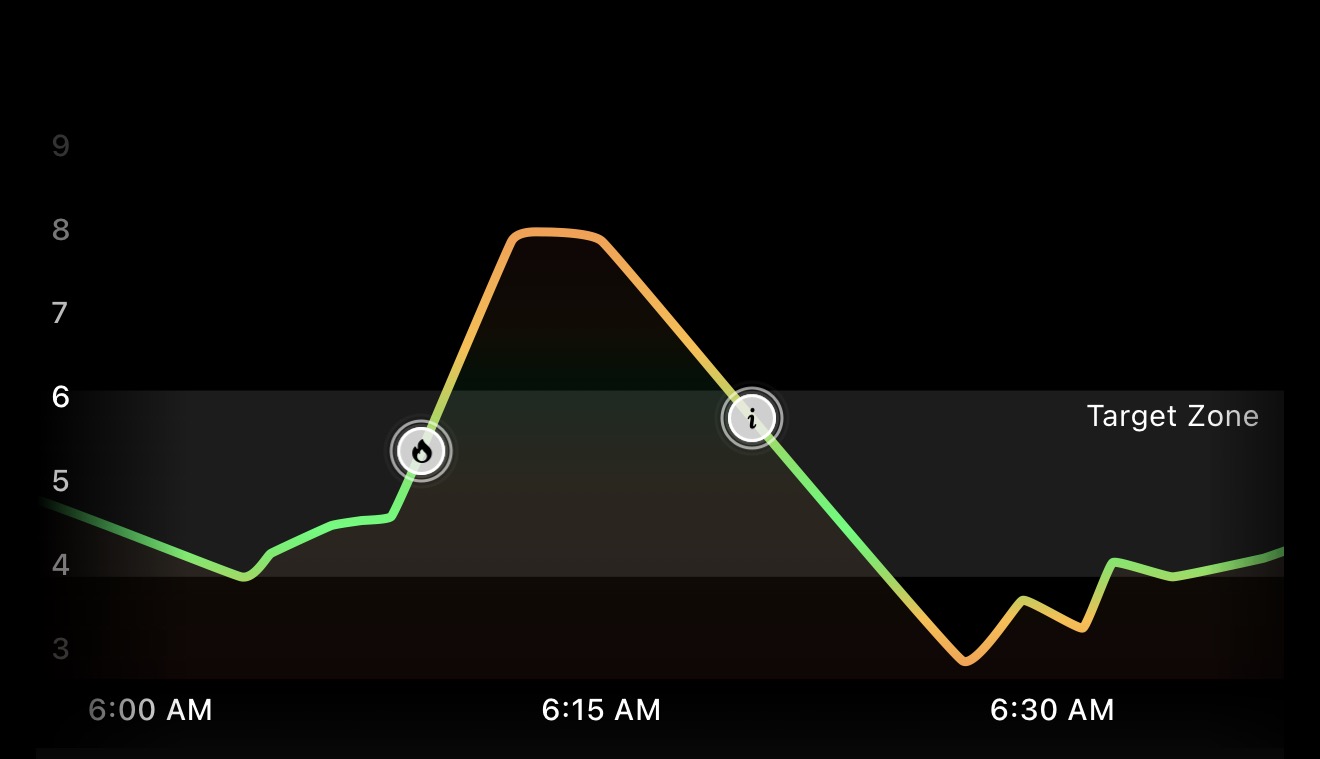
Screenshot showing the reduction in my blood sugar (7.8 mmol/L to 2.89 mmol/L) after a 3-minute cold plunge.
It also influences leptin, the hormone that regulates appetite and energy expenditure.
For women dealing with PCOS or insulin resistance, these shifts can support better metabolic control and reduce certain symptoms tied to hormonal imbalance. Regular cold exposure may also improve inflammatory markers, which are often elevated in PCOS.
Sexual and Reproductive Health Support
There’s growing interest in the ways cold exposure supports reproductive health. Improvements in circulation, inflammation, hormonal regulation, and resilience all contribute to better sexual wellbeing.
Women frequently report increases in libido, greater body confidence, and more consistent energy throughout their cycle. While the research in this area is still emerging, experts like Laura Fullerton and Dr Seager highlight the real-world results seen across thousands of women engaging in regular cold-water practices.
Cold Plunging & the Menstrual Cycle
One of the most common questions women ask is:
“Is it safe to cold plunge on your period?”
Short answer: Yes – there is no physiological mechanism that makes cold plunging unsafe on your period. In fact, many women report reduced cramps and more stable mood when using cold exposure during the early and late phases of the cycle
- Follicular Phase (Days 1-14)
During this phase, core body temperature is naturally lower, and oestrogen supports better heat distribution. Cold plunging usually feels easier, more uplifting, and more energising. Many women find this is the best time to begin a new routine or push themselves slightly further.
- Luteal Phase (Day 15-28)
Progesterone raises core temperature by up to 0.5°C. Even though tolerance stays the same, the cold may feel more intense. This isn’t a sign of weakness, it’s simply hormonal physiology influencing perception. Women often describe the cold as “sharper” or “more confronting” during this phase.
Understanding this pattern helps remove any fear or confusion around fluctuating experiences. Your body isn’t failing you, it’s functioning exactly as it should.
A Beginner’s Guide for Women Starting Cold Plunge
If you’re reading this and think, “I’d really like to give cold plunging a-go” or perhaps you’re new to cold plunging, here’s how to begin safely and confidently:
- Start in your follicular phase
This is where the cold usually feels most approachable.
- Try cold showers 2-4 times per week as preparation
Just 1-2 minutes at the end of your normal shower can build resilience and reduce the likelihood of winter colds.
- Start with Time, Not Temperature
Aim for:
• 30–60 seconds for your first session
• Build up gradually to 2-6 minutes
The goal is consistency, not extreme temperatures. The initial cold-shock response peaks in the first minute, this is the most uncomfortable. Once you get over the first minute, your breathing settles, things ease quickly.
- Use Your Breath to Stay in Control
Women often respond better to slow exhalation breathing, which calms the vagus nerve and reduces the “cold shock” response.
Try:
Inhale 4 seconds → Exhale 6–8 seconds
Breathing out slowly activates the parasympathetic nervous system and keeps the mind calm.
- Follow the 2-12-minute weekly guideline
Dr Søberg’s research suggests benefits begin at 2-3 minutes per week and peak at around 12-minutes per week.
- Keep Hands & Feet Out (If Needed)
Women often have stronger cold sensitivity in the extremities. Rest them on the edge, out of the water if the cold hits them too intense.
- Warm Up Naturally
Avoid jumping into the sauna or hot shower afterwards. Instead, move, walk, shake, or breathe to restore heat and allow the body to rewarm through it natural thermogenesis process – tip: you’ll burn more energy this way.
- Remember that thousands of women do this every day
The Bluetits Chill Swimmers – a predominantly female open-water community – grew from 7,000 members to more than 150,000 since 2020. That kind of growth speaks for itself and reflects the genuine, empowering benefits many women experience through cold-water immersion – if cold plunging were unsafe for women, this simply wouldn’t be the case.
Final Thoughts
Cold plunging isn’t something women should be afraid of. It’s something they can fully embrace – with benefits that span mood, metabolism, resilience, hormonal balance, bone health, and overall vitality.
The science supports it.
Experts advocate for it.
Communities of women swear by it.
And with thoughtful guidance, women like yourself of all ages can safely weave cold exposure into their lifestyle – whether for better energy, emotional balance, physical health, or the simple joy of doing something that makes you feel powerful.
Popular FAQs
Is cold plunging good for women?
Yes! Women often experience strong mood, energy, metabolic, and stress-regulation benefits.
Is it safe to cold plunge on your period?
Yes! It can even reduce cramps and improve mood.
How long should women stay in an ice bath?
Start with 30–60 seconds and build gradually to 2-6 minutes.
Does cold plunging help hormones?
Cold exposure supports dopamine, adrenaline balance, menstrual comfort and stress hormones.
Can cold plunging help with Raynaud’s?
Generally no, as the cold is the exact trigger that causes vasospasm, reduced blood flow and pain. Better options that have proven to help, would include infrared sauna, red light therapy, and gentle contrast therapy – which are available to try at Avantoº.
Vitamin D in Winter: Why Your Levels Drop and How to Optimise
Our complete guide to optimal Vitamin D Levels
Let’s talk about a hot topic – Vitamin D, where most people still think of Vitamin D as a simple nutrient – something you “top up” during summer or with a supplement.
But Vitamin D isn’t actually a vitamin at all – shock! It’s a prohormone, meaning your body converts it into a hormone that influences immunity, bone density, metabolism, brain function and even mood regulation.
It’s one of the most powerful, and most commonly deficient, nutrients in the UK so let’s spend the next 3-minutes getting you up-to-date with the facts.
Why Vitamin D Matters (Key Benefits)
Vitamin D plays a pivitoal role, impacting 2,700 genes that help to keep our system running and functioning at optimal health. A few key areas Vitamin D helps with is:
- Immune function: supporting antiviral defence and lowering inflammation
- Bone and muscle health: regulating calcium absorption, strengthening bones, and supporting muscle contraction
- Mood and mental wellbeing: low levels are associated with seasonal depression, low motivation and fatigue
- Metabolic health: helpping to maintain insulin sensitivity and energy production
- Hormone regulation: influencing thyroid function, sex hormones, and cellular repair
And its importance becomes even more striking during menopause.
Vitamin D, Menopause & Bone Health: Why Women Need More Support
Post-menopause, oestrogen levels naturally drop – and estrogen is protective for bone strength and calcium metabolism.
This hormonal shift accelerates bone loss, increasing the risk of:
- Osteopenia
- Osteoporosis
- Fractures
- Loss of muscle mass (sarcopenia)
Vitamin D is essential here because it improves calcium absorption, reducing bone turnover helping with bone formation and strength. Supports osteoblast activity, which is the building cells of bone, and helps to maintain muscle function, which reduces fall risk. In fact, evidence tells us Vitamin D supplementation (≥800 IU/day) plus calcium reduces fall risk by up to 22% in older adults.
Women post-menopause often require higher Vitamin D levels to maintain bone integrity compared to younger adults. Ensuring levels are in the optimal range (as I explain below) is one of the simplest, evidence-based ways to protect future mobility and longevity.
Vitamin D Deficiency in the UK: The Winter Problem
It’s estimated that approximately 1 in 6 people in the UK are clinically deficient (< 25 nmol/L) in Vitamin D, while 50% of Brits have suboptimal Vitamin D levels; and in winter this number spikes sharply, as between October and March, the sun is too weak for your skin to synthesise Vitamin D; even on a clear day.
How Much Sunlight Do We Actually Need?
Your skin only makes Vitamin D when exposed to UVB rays from sunlight. When UVB rays hit the skin, they convert 7-dehydrocholesterol (a cholesterol derivative) into pre-vitamin D3.
This molecule then undergoes a heat-dependent rearrangement into Vitamin D3 (cholecalciferol), which enters the bloodstream where the liver and the kidneys then convert it to 1,25(OH)₂D aka. calcitriol – the active hormone we all know.
But key variables affect how much we can produce as the sun must be at least 45° above the horizon for UVB to reach you and have a UV index of 7 or more.
To produce an effective amount of Vitamin D naturally, we typically need:
- 10-15 minutes of full-body exposure on a UV index 7 day
- 20-30 minutes when the UV index is around 3.5
- 5-7.5 minutes when the index reaches 14
Cloud cover, clothing, time indoors and shorter days all compound the deficit. None of these conditions exist in the UK winter.
If you’re uncertain you can track your area’s UV index here: https://d.vitamin.today/
How to Improve Vitamin D When Sunlight Is Poor
If we’re uable to make enough Vitamin D from sunlight how else can we obtain it? Well, here are the three most effective approaches you can use over the winter months:
1. Diet Support
Food alone typically isn’t enough to reach optimal levels, but it helps maintain a baseline.
Top dietary sources include:
- Fatty fish such as salmon, sardines, trout, mackerel
- Egg yolks
- Mushrooms exposed to sunlight or UV (portobello, shiitake, maitake; one of the best plant-based sources)
- Offal and liver
- Fortified foods such as cereals, spreads, oat/soy milks
- Cheese
Mushrooms are particularly interesting because UV-exposed mushrooms can contain very high levels of Vitamin D2, supporting intake even in plant-based diets.
2. Cold Exposure – A Forgotten Evolutionary Mechanism
This is where things gets fascinating.
New research, including a 2025 clinical paper, suggests that cold exposure can increase circulating Vitamin D levels independent of sunlight.
How Cold Changes Vitamin D Physiology
When you immerse yourself in cold water several mechanisms come into action:
- Brown and beige fat activate to generate heat
- These tissues undergo metabolic uncoupling to produce heat instead of ATP – this is how cold plunging helps to increase your metabloism and increases calorie exoenditure
- During this process they emit a very faint near-infrared (NIR) glow
- NIR wavelengths can mobilise Vitamin D from fat stores and
- Activates the enzymes that convert Vitamin D into its usable form (25(OH)D → 1,25(OH)₂D)
Cold also compresses the skin and stiffens the hydration layers around cells – a mechanical effect that “wakes up” dormant enzyme pockets involved in hormone conversion.
Why This Matters Evolutionarily
For populations living in low-light, Arctic environments – such as the Inuit – winter sun wasn’t strong enough for Vitamin D synthesis, so their biology had to adapt through:
- Cold-induced thermogenic activation
- High-fat, Vitamin D rich diets
- Near-infrared heat release from brown fat
- Increased Vitamin D turnover to maintain levels without sunlight
The cold acted as an internal signal for the body to keep Vitamin D moving – amazing when you think about it!
Cold Exposure at Avanto°
Our cold plunge at Avanto° is intentionally designed to activate brown fat safely and powerfully, making it a winter-friendly tool to stimulate vitamin mobilisation, improve energy and support metabolic health through inceased metabolisim.
We would recommend 3-6 minutes of cold exposure to help stimulate these (magical) pathways.
3. Smart Supplementation
Finally, we come to supplementing VitaminD. This is the most reliable winter strategy and we’ve made it easy for you.
Based on the literature, the general recommended daily intake for:
- General maintenance: 1,000–2,000 IU per day (this is reserved for people who already have optimal levels)
- Those with low levels or higher needs: 2,000–4,000 IU per day (this is recommended for most peple – women going through menopause, low sun exposure, darker skin tone, indoor lifestyle)
- People who are chronically sufficient: 20,000 IU 2x per week (this higher dose should ideally be guided by testing)
Absorption Trick: Take Vitamin D With Fat
Vitamin D is a fat-soluble substance, meaning it requires fat to be absorbed. When supplementing with Vitamin D it’s important to take alongside food and not on an empty stomach or fasted state.
One study shows you get a 30-32% higher absorption rate when taken with a high-fat meal (e.g. eggs, avocado, nuts, oily fish) compared with a low-fat meal.
This dramatically improves effectiveness.
What Should Your Vitamin D Levels Be?
Vitamin D is measured as 25(OH)D in nmol/L in the UK.
NHS / Standard Reference Ranges
- Deficient: < 25 nmol/L
- Insufficient: 25–50 nmol/L
- Adequate for basic health: 50–75 nmol/L
However, I would argue 75 nmol/L is still too low and if we’re wanting to reach optimal health then we need to be striving for the optimal ranges (supported by endocrine, bone-health & sports medicine research)
- Optimal for immunity & bone health: 75–120 nmol/L
- Optimal for performance, mood & menopause support: 100–150 nmol/L
Most people feel their best – metabolically, mentally and hormonally – in the 100–150 nmol/L range.
So how do you know where you’re at? It’s best to test your levels.
Testing Your Vitamin D Levels
Most tests cost around £40 for an easy at-home blood test. Here’s two easy options for you to take:
- MedChecks Vitamin D Test (£39) – this is the gold-standard finger-prick test that will provide you with your exact Vitamin D level
- Tescos Vitamin D Blood Spot Test (£8) – this is a more affordable snapshot of deficiency, but will only reveal whether you’re deficinet or not, it will not provide you with an exact level.
Both of these tests will help you understand whether you need dietary support, supplementation, or more targeted dosing.
Summary: Your Winter Vitamin D Plan
Because sunlight is too weak to synthesise Vitamin D between October and April, most of us in the UK will not be getting enough vitamin D naturally.
To stay strong through the darker months I strongly recommend to:
- Increase dietary Vitamin D (especially oily fish & mushrooms)
- Experiment with cold exposure to stimulate vitamin mobilisation (Avanto° is ideal)
- Supplement smartly – and always with a higher-fat meal
- Track levels every 3-6 months to ensure you stay in the optimal range
Vitamin D affects everything from immunity to bone health to mood, and winter is wehn we’re at our most vunerable aand exactly when we need it most.
Why Your Weight Loss Drug (Mounjaro) Is Aging You by 20 Years
The hidden cost of rapid weight loss: When the cure becomes worse than the condition.
Weight loss drugs like Mounjaro (tirzepatide) have taken the world by storm, promising dramatic results with minimal effort. But what if I told you that while you’re celebrating the numbers on the scale, you might be borrowing from your future self to look better today? Recent research reveals a disturbing truth: these “miracle” drugs could be accelerating your aging process and compromising your long-term health in ways that go far beyond what meets the eye.
The Shocking Reality: Your Muscle Is Disappearing
The most alarming evidence comes from groundbreaking research that should make anyone considering Mounjaro think twice. A pivotal 2024 review published in the journal Obesity compared the effects of tirzepatide with data on age-related muscle loss, and the findings are nothing short of startling.
The SURMOUNT-1 trial data revealed that participants lost at least 10% of their muscle mass over 68-72 weeks. To put this in perspective, this percentage loss is roughly equivalent to the estimated average decline in muscle mass that occurs over 20 years of typical aging in adults over 30.
Think about that for a moment…
If you’re a 30-year-old who’s been taking Mounjaro for 18 months, you’ve essentially time-traveled into the future and now possess the muscle mass of your fifty-year-old self – two decades of aging compressed into less than two years.
According to research published in The Lancet Diabetes & Endocrinology, this rapid muscle loss isn’t just a cosmetic concern, it’s a fundamental threat to your body’s structural integrity and metabolic health.
The PMC study further confirms these findings, showing that while tirzepatide achieves impressive weight loss numbers, “the composition of that weight loss is deeply problematic”. You’re not just losing fat, you’re losing the very tissue that keeps you strong, metabolically active, and functionally independent as you age.
Why Muscle Mass Is Your Longevity Insurance Policy
Understanding why muscle loss is so devastating requires recognizing that muscle tissue is far more than just what helps you lift heavy objects. Your muscles are metabolic powerhouses, hormonal regulators, and the foundation of healthy aging – especially for women.
The Metabolic Engine
Muscle tissue accounts for up to 30% of your resting metabolic rate. When you lose muscle mass, your metabolism doesn’t just slow down, it crashes. This creates a vicious cycle where maintaining weight becomes increasingly difficult, leading to metabolic dysfunction and increased disease risk.
The Postmenopausal Crisis
For postmenopausal women, the stakes are even higher. A comprehensive 2007 study revealed that postmenopausal women experience a rapid decrease in muscle mass of 0.6% per year – and this accelerates dramatically with hormonal changes. The research published in Climacteric shows that this “musculoskeletal syndrome of menopause” makes women particularly vulnerable to:
- Increased fracture risk: Studies demonstrate that higher muscle mass correlates directly with improved bone microarchitecture
- Metabolic dysfunction: Muscle loss directly impacts insulin sensitivity and glucose metabolism
- Cardiovascular complications: Research shows muscle mass is inversely related to cardiovascular disease risk
- Functional decline: Loss of independence and increased frailty risk
The Longevity Connection
Perhaps most critically, emerging research establishes muscle strength as one of the strongest predictors of longevity. Studies consistently show that individuals with higher muscle mass & strength live longer, healthier lives with reduced disease burden and maintained cognitive function well into advanced age.
The devastating cascade effect of muscle loss cannot be overstated. Research published in BMC Musculoskeletal Disorders demonstrates that individuals with sarcopenia face dramatically increased risks for falls, fractures, and hospital readmissions . The statistics are sobering: studies consistently show that 20-30% of patients die within the first year after a hip fracture. Even more alarming, recent research indicates that 27.8% of older adults experience recurrent falls within just six months of hip fracture surgery.
This creates a devastating domino effect: muscle loss leads to increased fall risk, falls lead to fractures, and fractures dramatically increase mortality risk. When you artificially accelerate muscle loss through drugs like Mounjaro, you’re essentially fast-tracking yourself toward this high-risk cascade years or decades earlier than would occur naturally. A 2024 systematic review confirmed that muscle mass measurement is independently associated with adverse outcomes in hip fracture patients , highlighting how critical muscle preservation is for survival and recovery.
Who Should Never Touch These Drugs
The research is crystal clear: certain populations should avoid weight loss drugs entirely, as the risks far outweigh any potential benefits.
Elderly Adults (65+)
Older adults are at extreme risk because they’re already experiencing natural age-related muscle loss (sarcopenia). Given the fact we lose 35-40% of our muscle mass between 20-80 years of age; adding drug-induced muscle wasting medications, like Mounjaro creates a perfect storm for accelerated frailty and functional decline.
Individuals with Existing Sarcopenia
Anyone already showing signs of muscle weakness, slow walking speed, or reduced physical function should never consider these medications. The additional muscle loss could push them past the point of no return for independent living.
Frail Populations
Those with existing health conditions, recent hospitalisations, or signs of physical frailty face dramatically increased risks of complications, falls, and accelerated health decline when muscle mass is further compromised.
Postmenopausal Women Without Resistance Training
Given the hormonal challenges already affecting muscle mass, postmenopausal women who aren’t actively engaged in strength training are particularly vulnerable to the devastating effects of drug-induced muscle loss.
Damage Control – Strategies to Minimise Muscle Loss
If you’re someone who’s chronically overweight or obese, these weight-loss drugs can certainly help you make a start on shedding a significant amount of weight. However, if you’re not medically diagnosed as “obese” and are instead using these drugs as a quick-fix or convenient route to lose weight – despite the potential risks – then certain strategies become absolutely non-negotiable for minimising muscle loss.
- Prioritise Protein Intake
Research published in the Journal of the International Society of Sports Nutrition demonstrates that consuming 1.6-2.2 grams of protein per kilogram of body weight daily is essential for muscle preservation. During periods of caloric restriction, protein needs actually increase, not decrease. High-quality sources should be spread throughout the day, with particular emphasis on leucine-rich foods that trigger muscle protein synthesis.
- Incorporate Strength Training
Resistance exercise is absolutely critical – not optional. Studies show that without progressive resistance training, up to 40% of weight lost comes from muscle tissue. Research in Sports Medicine confirms that 2-3 strength training sessions per week focusing on major muscle groups can significantly reduce muscle loss during weight reduction.
- Maintain Sufficient Calories
Extreme caloric restriction accelerates muscle loss. Moderate caloric deficits (300-500 calories below maintenance) preserve more muscle mass than aggressive restrictions. The goal should be sustainable fat loss, not rapid scale victories.
Better Alternatives That Actually Support Your Health
Before exploring natural alternatives, it’s crucial to understand how weight loss drugs like Mounjaro actually work – and why there are safer ways to achieve the same benefits.
Understanding GLP-1: The Key to Appetite Control
GLP-1 (Glucagon-Like Peptide-1) is a naturally occurring hormone produced in your intestines that plays a critical role in metabolism and appetite regulation. When functioning optimally, GLP-1:
- Suppresses appetite by signaling fullness to your brain
- Slows gastric emptying, keeping you satisfied longer after meals
- Regulates blood sugar by stimulating insulin release when needed
- Reduces food cravings, particularly for high-calorie processed foods
How Mounjaro Hijacks Your Natural System `
Tirzepatide (Mounjaro) works by mimicking and amplifying GLP-1 activity in your body. Essentially, it floods your system with synthetic signals that override your natural appetite and satiety mechanisms. While this creates dramatic appetite suppression and rapid weight loss, it comes with the devastating side effects we’ve discussed – particularly the accelerated muscle loss that ages your body by decades.
The drug essentially forces your body into an unnaturally suppressed appetite state, but it does so in a way that disrupts normal physiological processes and muscle preservation.
The Natural Alternative: Supporting Your Body’s Own GLP-1 Production
Rather than overwhelming your system with synthetic hormones that compromise your future health, consider these evidence-based alternatives that work with your body’s natural systems to optimize GLP-1 production safely and sustainably
- Hydrogen Water – Nature’s GLP-1 Booster
Groundbreaking research published in PMC reveals that hydrogen-rich water consumption can naturally increase GLP-1 levels and suppress appetite without the devastating side effects of pharmaceutical drugs. The HYDRAPPET randomized controlled trial showed that participants consuming hydrogen water for 8 weeks experienced: • Significant appetite suppression through natural GLP-1 elevation
• Improved body composition without muscle loss
• Enhanced sleep quality – crucial for metabolic health
• Better circulating hormone profiles
Consuming hydrogen water using H2 Tabs represent a natural way to achieve the appetite-suppressing benefits without the muscle-wasting consequences.
- Increase Protein and Fiber for Natural Satiety
Research consistently shows that high-protein, high-fiber diets naturally increase GLP-1 production while supporting muscle mass. Studies demonstrate that consuming 25-35 grams of fiber daily alongside adequate protein creates powerful satiety signals that rival pharmaceutical interventions, but with health-promoting rather than health-destroying effects.
- Optimise Sleep – The Forgotten Weight Loss Tool
Sleep research reveals that inadequate sleep disrupts hunger hormones more dramatically than most people realize. Studies published in Sleep Medicine Reviews show that: • Sleep deprivation increases ghrelin (hunger hormone) by up to 28%
• Poor sleep reduces leptin (satiety hormone) by 18%
• Quality sleep naturally optimises GLP-1 production
• 7-9 hours of quality sleep can be as effective as some medications for appetite regulation
- Exercise: Your Ultimate Health Investment
Unlike weight loss drugs that compromise your future, exercise provides compounding benefits:
• Preserves and builds muscle mass – the opposite of drug effects
• Naturally increases GLP-1 production through multiple pathways
• Improves insulin sensitivity for sustained weight management
• Enhances metabolic flexibility for long-term health
• Supports cognitive function and mood – benefits that drugs can’t match
Research in Medicine & Science in Sports & Exercise demonstrates that combining resistance training with moderate cardio (similar to the programming we offer our members here at Hall Training) provides superior long-term weight management compared to pharmaceutical interventions without the devastating health consequences.
The Bottom Line: Choose Your Future Self Wisely
The promise of rapid weight loss through medications like Mounjaro may seem appealing, but you’re essentially trading your future strength, health, and independence for temporary fleating victories. The research is unambiguous: these drugs age your body at an accelerated rate, stripping away the very tissue that keeps you healthy, strong, and metabolically robust.
Your muscle mass isn’t just about appearance; it’s your longevity insurance policy. Every pound of muscle you lose is a deposit withdrawn from your future health account, and the interest compounds in ways that will affect every aspect of your later years.
Instead of borrowing from your future self to look better today, invest in strategies that enhance both your current appearance and long-term health. The natural approaches outlined above don’t just help you lose weight; they help you build the foundation for a longer, stronger, more vibrant life.
The choice is yours: quick fixes that mortgage your future, or sustainable strategies that invest in the person you’ll become. Your 70-year-old self is counting on the decisions you make today.
Invest in Your Future Self with Hall Training
At Hall Training, we understand that true transformation isn’t about quick fixes that compromise your health; it’s about building sustainable habits that enhance both your present and future self.
While the fitness industry pushes dangerous shortcuts and “miracle” solutions, we take a different approach. We believe in investing in your long-term health, strength, and vitality through evidence-based methods that work with your body’s natural systems, not against them.
Our Comprehensive Approach Includes:
- Evidence-Based Nutrition Support: We help you understand how to fuel your body for optimal health, muscle preservation, and sustainable weight management. No extreme restrictions, no muscle-wasting protocols – just smart, sustainable nutrition that supports your goals (and your health).
- Structured Strength Training Programs We prioritise what matters most: building and preserving the muscle mass that keeps you strong, metabolically healthy, and functionally independent as you age. Our programmes are designed specifically around strength training, with particular attention around balance for overall health and longevity.
- Education Over Quick Fixes: We believe knowledge is power. That’s why we educate our members about topics exactly like this blog post. Understanding the why behind healthy choices empowers you to make decisions that serve your long-term interests, not just immediate gratification.
- Holistic Health Focus: From sleep optimisation to stress management, hormone balance to recovery protocols, we address all the factors that influence your health and body composition. Because true wellness isn’t just about what you do in the hour in gym, but how you spend the other twenty-three hours of the day.
Stop Borrowing from Your Future. Start Investing in Today.
Every day you delay implementing proper nutrition and strength training is another day you’re not building the foundation for lifelong health and vitality. While others are caught up in the latest fad or looking for shortcuts that compromise their future, you could be making genuine progress toward becoming the strongest, healthiest version of yourself.
Ready to invest in your future self? Our 30-Day Accelerator Programme is designed to kickstart your journey with the right foundation from day one. You’ll learn the principles, establish the habits, and experience the confidence that comes from knowing you’re building something sustainable.
Take Action Today
Don’t let another day pass wondering what your life could look like with the right support and guidance. Your future self – the person who will be strong, confident, and thriving in their 60s, 70s, and beyond, is waiting for you to make the choice to invest in them today.
Contact us today – to learn more about our 30-Day Accelerator Programme, because your future self will thank you for the decision you make right now.
The Top 3 Vitamins for Menopause: What Science Really Says
The Top 3 Vitamins for Menopause: What Science Really Says
If you’ve read our first post around menopause – The Oxfordshire Guide to Menopause: What Every Woman Should Know you’ll have learnt the menopause marks a significant hormonal shift that can affect physical and emotional well-being. Symptoms like hot flashes, mood swings, sleep disturbances, and muscle ans bone density loss are common during this transition. Nutrition, particularly supplement and vitamin intake, plays an imoortant role in managing these symptoms and promoting overall health during this time.
Here, we explore the top three vitamins scientifically proven to support menopausal health, using evidence from peer-reviewed studies and insights from one of our favourite trusted sources, Examine.com.
1. Vitamin D: The Bone Builder and Mood Booster
Why It’s Important
As estrogen levels decline during menopause, women are at a higher risk of osteoporosis due to decreased bone mineral density. Vitamin D facilitates calcium absorption, helping maintain strong bones. Additionally, it plays a role in regulating mood and immune function, making it vital during this transition.
Scientific Evidence
- Bone Health: Research shows that adequate Vitamin D levels can reduce the risk of fractures in postmenopausal women. A meta-analysis published in The Journal of Clinical Endocrinology & Metabolism found that vitamin D supplementation, in combination with calcium, significantly improved bone density.
- Mood Regulation: Vitamin D influences serotonin production, a neurotransmitter involved in mood regulation. Low levels have been linked to increased rates of depression and anxiety during menopause.
How Much Do You Need?
The Recommended Dietary Allowance (RDA) for women over 50 is 600–800 IU per day, but some experts suggest higher doses for optimal bone health. Blood tests can help determine if supplementation is necessary.
2. Vitamin E: A Natural Remedy for Hot Flashes
Why It’s Important
Vitamin E, an antioxidant, helps combat oxidative stress, which may exacerbate menopausal symptoms. It’s particularly effective in reducing the severity and frequency of hot flashes, which reportedly affects as many as 75% of menopausal women.
Scientific Evidence
- A study published in Gynecological Endocrinology demonstrated that women who took 400 IU of vitamin E daily experienced a significant reduction in hot flash frequency compared to a placebo group.
- Vitamin E also supports skin health, which can decline due to reduced estrogen levels, leading to dryness and loss of elasticity.
How Much Do You Need?
The RDA for vitamin E is 15 mg (22.4 IU) per day, but doses of up to 400 IU are commonly used for managing menopausal symptoms. Always consult your GP or healthcare provider before exceeding the RDA.
3. Vitamin B6: The Energy and Mood Stabiliser
Why It’s Important
Vitamin B6 is essential for neurotransmitter synthesis, including serotonin and dopamine, which regulate mood and energy levels. During menopause, fluctuating hormones can lead to irritability, fatigue, and depression—symptoms B6 can help alleviate.
Scientific Evidence
- A study in Menopause International found that B6 supplementation improved mood and reduced depressive symptoms in menopausal women.
- B6 also helps mitigate premenstrual syndrome (PMS) symptoms, which can persist during the perimenopausal phase.
How Much Do You Need?
The RDA for B6 is 1.5 mg per day for women over 50, though higher doses (up to 50 mg) may be used therapeutically. Excessive intake can lead to nerve damage, so caution is essential.
Tips for Incorporating These Vitamins
1. Food Sources:
- Vitamin D: Fatty fish (salmon, mackerel), fortified dairy, egg yolks and mushrooms.
- Vitamin E: Nuts (almonds, sunflower seeds), spinach, and avocados.
- Vitamin B6: Poultry, bananas, fortified cereals, potatoes and spinach.
2. Sunlight Exposure: For Vitamin D, aim for 10–30 minutes of sunlight on your skin a few times a week.
3. Supplements: Consider supplements if dietary intake is insufficient, especially for Vitamin D during winter months or if lab tests reveal deficiencies.
Final Thoughts
Menopause is a complex biological process that varies from woman to woman. While vitamins like D, E, and B6 play significant roles in alleviating symptoms, a holistic approach – including a balanced diet, regular exercise, and stress management – is equally crucial.
Before starting any supplementation, it’s crucial to consult with a healthcare provider, nutritionist, or knowledgeable personal trainer to ensure it aligns with your unique health needs and goals.
If you’re navigating menopause and looking for a personalised nutrition or exericse plan, Hall Personal Training in Oxfordshire offers expert guidance tailored to your unique journey. Reach out to us to learn more about how we can support your health and wellness goals during this transformative stage of life!
Welcome to your next blog read: 5 Game-Changing Benefits of Strength Training Every Menopausal Woman Needs to Know
5 Game-Changing Benefits of Strength Training Every Menopausal Woman Needs to Know
5 Game-Changing Benefits of Strength Training Every Menopausal Woman Needs to Know
Before we begin, I’d recommend you take a look at our previous blog: The Oxfordshire Guide to Menopause: What Every Woman Should Know.
Menopause is a transformative phase of life for women, marked by significant hormonal changes that can affect physical and mental health. While these changes can be challenging, strength training has been shown to play a vital role in improving well-being during menopause.
Dr Louise Newson, a leading menopause specialist, frequently highlights the importance of exercise. She advocates strength training as one of the most effective ways to address the physical changes associated with menopause, particularly for bone health, muscle mass, and mental well-being. At Hall Personal Training in Oxfordshire, we combine our expert knowledge with personalised support to help our female members thrive during this life stage.
Let’s dive into five game-changing benefits of strength training every menopausal woman needs to know:
1. Boosts Bone Density and Reduces Osteoporosis Risk
Dr Louise Newson warns that postmenopausal women lose bone density at a rate of 1-2% per year due to declining estrogen levels. This increases the risk of fractures and osteoporosis. Research shows that strength training can significantly slow this process. A study in the Journal of Bone and Mineral Research found that resistance training increased bone density by up to 2.9% in postmenopausal women over a year, with another study showing up to 5% increase within 6 months for women going through the menopause.
At Hall Personal Training, our training programmes include exercises like squats, deadlifts and press ups, designed to improve muscle growth and strength, and to help strengthen bones safely and effectively. Every exercise is tailored to each members’ fitness level, ensuring maximum benefit without risk of injury.
2. Supports Hormonal Balance and Reduces Anxiety
Menopause often brings mood swings, anxiety, and low energy, largely due to fluctuating hormone levels. Strength training helps by releasing endorphins, which improve mood and reduce stress. Dr Newson emphasises the link between regular exercise and reduced menopausal symptoms, particularly depression and anxiety.
Additionally, research published in Menopause: The Journal of The North American Menopause Society shows that women who engage in strength training report improved emotional well-being. At Hall Personal Training, we create a positive and supportive environment – whether you prefer one-on-one sessions or small group personal training – to ensure you leave each session feeling empowered.
3. Increases Muscle Mass and Maintains Metabolism
According to Dr Stacy Sims, an exercise physiologist specialising in women’s health, menopausal women lose up to 8% of muscle mass per decade if they don’t engage in resistance training. This muscle loss slows metabolism, contributing to weight gain. Strength training is crucial for building lean muscle, which burns calories even at rest!
Our personal training programmes focus on compound movements, such as squats, chin ups and lunges, which efficiently build muscle and improve strength. We’re able to tailor these exercises to your ability, ensuring progress without pushing you too fast, too soon.
4. Improves Sleep Quality
Dr Newson also highlights sleep issues as a common complaint during menopause, with many women struggling with insomnia or restless nights. Strength training has been shown to improve sleep by reducing cortisol (the stress hormone) and increasing relaxation.
Incorporating strength training into your weekly routine can help regulate your sleep patterns. Our small group personal training sessions provide a consistent, manageable way to stay active, giving you the energy to take on each day.
5. Reduces Risk of Chronic Conditions
Menopause increases the risk of heart disease, type 2 diabetes, and high blood pressure. Strength training can help mitigate these risks by improving cardiovascular health, enhancing insulin sensitivity (improving blood sugar management) and supporting weight management.
Dr Sims advises focusing on progressive overload – gradually increasing resistance over time – to maximise these health benefits. At Hall Personal Training, we guide you through personalised and periodised workouts to ensure you’re continually improving and staying motivated.
Expert-Backed Advice for Menopausal Women
Both Dr Louise Newson and Dr Stacy Sims agree; strength training is non-negotiable for women navigating menopause. Here’s our recommendations on how to get started:
- Prioritise Frequency: Aim for at least 2-3 strength training sessions per week.
- Incorporate Functional Movements: Focus on exercises that mimic daily activities, like squats, lunges and rows.
- Work with a Professional: Getting started can often feel like the hardest step. Working with a personal trainer provides the accountability you need to overcome that initial inertia. They’ll guide you through an effective strength training programme tailored around you and your needs, ensuring proper form and continued progression.
Why Choose Hall Personal Training?
At Hall Personal Training, we take pride in offering tailored fitness plans for women at all stages of life. Our experienced coaches are well-versed in supporting menopausal clients, helping them build strength, confidence, and resilience. Whether you prefer individual attention or the camaraderie of small group personal training, we’ll help you reach your goals in a supportive environment – guiding you towards a stronger, healthier, happier life!
Are you suffering from symptoms of menopause? Check out your next blog read: The Top 3 Vitamins for Menopause: What Science Really Says
The Oxfordshire Guide to Menopause: Empowering Every Woman Through this Transition!
The Oxfordshire Guide to Menopause: Empowering Every Woman Through this Transition!
Menopause is a significant life stage for women, bringing unique challenges that impact both physical and emotional well-being. In Oxfordshire, where over 200,000 women fall within the age range of typical menopause onset, understanding the transition and having access to local, tailored resources, such as personal training and a well balanced nutrition plan, can make a world of difference. This guide explores menopause, focusing on the benefits of strength training, weight loss strategies, and wellness programs available “near me” in the Deddington and Oxford area to empower women during this phase.
Understanding Menopause and Its Impact
Menopause, typically occurring around age 51, marks the end of a woman’s reproductive years and is diagnosed after 12 consecutive months without a period. During this time, over 80% of women experience symptoms like hot flashes, sleep disruptions, and mood fluctuations, according to NHS data. In Oxfordshire alone, tens of thousands of women in Oxfordshire will experience menopause-related symptoms at some point, with many reporting an impact on daily life, energy levels, and mental health.
The Role of Strength Training for Menopausal Women in Oxfordshire
One of the most effective ways to combat menopausal symptoms is through strength training. Muscle mass tends to decline with age, a process accelerated by decreasing estrogen levels during menopause. Strength training is shown to reduce these effects, helping with muscle retention and metabolism, which can alleviate weight gain and fatigue. Women in Oxfordshire interested in fitness options “near me” can benefit from Hall Personal Training’s tailored strength training programmes, specifically designed for the needs of menopausal women. One study suggest that women who incorporate strength training see up to a 5% increase in bone density and muscle mass over a 6 month period, making this a vital component of a well-rounded menopause management plan.
Effective Weight Loss Strategies During Menopause in Oxfordshire
Around 70% of women report weight gain during menopause due to hormonal shifts affecting fat distribution and metabolism – gaining on average 1.5lbs per year during their fifties and sixies. However, women in Oxfordshire can find integrated weight loss approaches that combine personalised nutrition and exercise. At Hall Personal Training, for example, we provide individualised dietary plans and fitness routines proven to support healthier body composition during menopause. Research indicates combining strength training with a balanced diet increases the likelihood of sustainable weight loss by 25% more than diet or exercise alone!
Small Group Personal Training Tailored to Menopausal Women
Our small group training sessions are thoughtfully designed to support women going through menopause, incorporating flexibility, strength, and aerobic exercises. Women in Oxfordshire and surrounding areas benefit from a strong, supportive community of like-minded individuals experiencing the same journey. Our fitness classes not only enhance strength and flexibility but also provide a social connection that helps reduce feelings of isolation. For those looking for “personal training for menopause near me,” we offer a blend of community support with expert guidance, catering to women at any fitness level.
Support from Oxford’s Menopause Fitness Experts
Oxford and the wider Oxfordshire area are home to numerous fitness professionals with specialised expertise in helping women navigate menopause. At Hall Personal Training, our trainers are equipped to guide women through exercise routines that address menopause-related changes, focusing on resilience, strength, and confidence. Research from NIH shows that guided, personalised fitness plans improve adherence by 30%, which is crucial for long-term health benefits.
Nutritional Guidance for Menopausal Women in Oxfordshire
Studies show that approximately 60-80% of menopausal women have insufficient magnesium levels, largely due to hormonal changes that affect mineral absorption and retention. A balanced diet rich in magnesium, calcium, vitamin D, and other nutrients is essential during menopause, supporting bone health and helping to manage symptoms like fatigue and mood swings. Our nutritional coaching service, included in our programmes, ensures women receive the right support in adapting their eating habits for improved well-being during this stage.
Conclusion: Navigating Menopause with Oxfordshire’s Resources
Menopause may introduce a series of changes, but it’s a journey that you don’t have to navigate alone. With supportive resources — from strength training and nutritional guidance to community fitness classes “near me”—the programmes and support we provide help women (like you) thrive. At Hall Personal Training, we’re committed to empowering women through tailored fitness and nutrition programmes, so you can embrace this transition with strength, confidence, and resilience. Remember, menopause is a new chapter, and with the right support, it can be one of growth and vitality.
Your next blog read: 5 Game-Changing Benefits of Strength Training Every Menopausal Woman Needs to Know
Why Choose Hall Personal Training?
For Oxfordshire’s women looking to embrace wellness and find community support during menopause, Hall Personal Training offers one of the area’s top-rated, specialised programmes — designed by professionals who understand the unique needs of this life stage. Contact with us today, and join the hundreds of ladies we’ve helped thrive towards a stronger, healthier, happier future!
Squatting. Am I mobile enough to squat? Pt 2.
Welcome back to part 2 in the squatting series. If you can remember back to my first article, I talked about the benefits you can reap from applying the squat in your routine and why I believe all women should be squatting. Despite saying this I do think you need to earn the right to squat first before jumping straight into it.
As I mentioned in my last article, not everyone has the ability to reach the full range of movement required for the squat or, while reaching their full range they end up putting certain parts of their body under too much strain as they may lack the mobility or flexibility needed. But why is this?
First it’s important to establish the differentiation between the use of the word mobility and flexibility. While colloquially, flexibility and mobility may sound the same, they are different concepts with important impacts on your health. I think Tony Gentilcore, Co-Founder of Cressey Sports Performance, put it most succinctly:
• Mobility = how a joint moves
• Flexibility = length and range of a muscle
This range of motion around a joint, can refer to ligaments, tendons, muscles, and bones. Full range at a joint is the ability of the joint to move freely in all planes of movement available to that joint. During our daily routines e.g sitting at our work desks or standing with incorrect posture for long periods of time, we put our muscles, ligaments and tendons under stress. This can cause those muscles, such as the hip flexors, calves, hamstrings and back muscles to tighten up, therefore decreasing their ability to reach their full range.
Now their are many areas of the body that can contribute to the lack of range you may have in your squat, but the most common contributors I see with the squat are either tight hip flexors, tight calves/lack of ankle mobility and tight hamstrings. Your hip flexors are used for hip flexion (bending at the hip) and are situated below your abdomen inside your hips (picture below) and your hamstrings are situated at the back of your thighs.
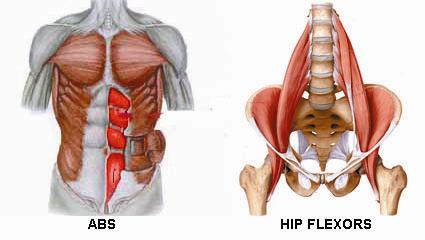
What causes each muscle to become tight?
Essentially, think of mobility as an umbrella covering a range of factors that may affect the range of motion around a joint. One of these components is flexibility – it’s difficult to move a joint if the connected muscles around it don’t stretch far enough to allow it. For example, your hip flexors can become tight from long periods of sitting or overuse. The calves can also tighten up from either long periods of walking or running and also long periods of standing. This is particularly evident in women who work in the corporate world as high heels and stilettos place the calves in a shortened state.
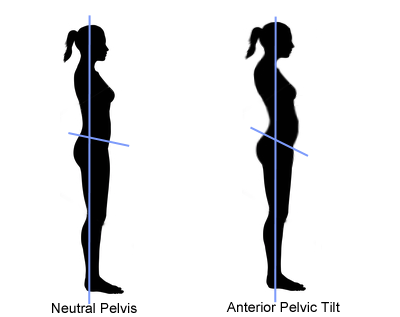
Lastly the hamstrings can become excessively tight if you have an anterior pelvic tilt (when the hips are tilted forward causing an arch in the lower back).This is commonly caused by tight quads and weak abdominals; a recipe for back pain. But there are other considerations that come into play as well, like not having the strength to perform the exercises, soft tissue damage (e.g. inflamed tendons), and even problems with other joints in the same chain of movement. So while an adequately stretched muscle may, in theory, be conducive to a greater range of movement around a joint, it’s basically useless if your mobility is constricted by other factors.
How does this affect my squat?
Tight hip flexors can cause excessive leaning forward during the squat. This can put extra strain on the back and can prevent you from sitting deep into the squat. Tight calves/lack of ankle mobility can cause you to lift your heels off the ground while trying to reach the full range, causing the weight to transfer to your toes instead of your heels. Lastly tight hamstrings are one of causes of what fitness professionals call the ‘butt wink’. This is when the hips and glutes tuck under the body at the bottom of the squat causing rounding of the back putting the vertebral discs under too much strain especially under heavy loads. This is shown in the picture below during a barbell back squat.
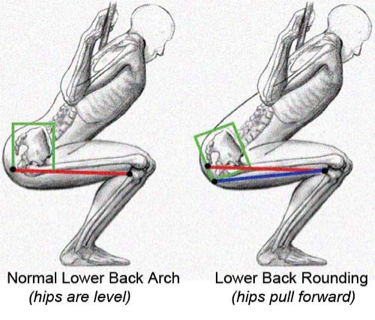
So, if you are finding yourself squatting with some of these bad habits or issues then the squat may not be for you quite yet. But don’t dismiss it, as most of these traits can be rectified or it may just be a case of finding the right type of squat for you. You can learn all about how to improve your mobility along with different variations and progressions of the squat in my next article.
If you can’t wait until my next article then here at Hall Training Systems we take each client through a movement screen before writing their programmes. This helps us detect the mobility/imbalances each client may have, which helps us decide whether they are ready for the squat, and if so, which squat will suit them best. If you are interested in the the squat then take advantage of our complementary training consults – book yours today and discover how strength training can change your life for the better!
About Becky Hodgson
As a successful 800m runner for Oxfordshire Athletics I have a strong postion on evidence based training and application. Strength training is my passion, passing my knoweldge of lifting on to help other women like myself to see both the physical and practical benefits that strength training has to offer.
You can find me on Facebook, or why not even give us a Tweet @Hall_Training
Squatting. Is the barbell back squat for you? Pt 1.
We’re all bombarded with messages about how we as women should squat to get those peachy glutes and slender legs. But is it really that simple and is the exercise for you?
Well, let’s start by looking at the benefits of squating with full range and an adequate load. These benefits include:
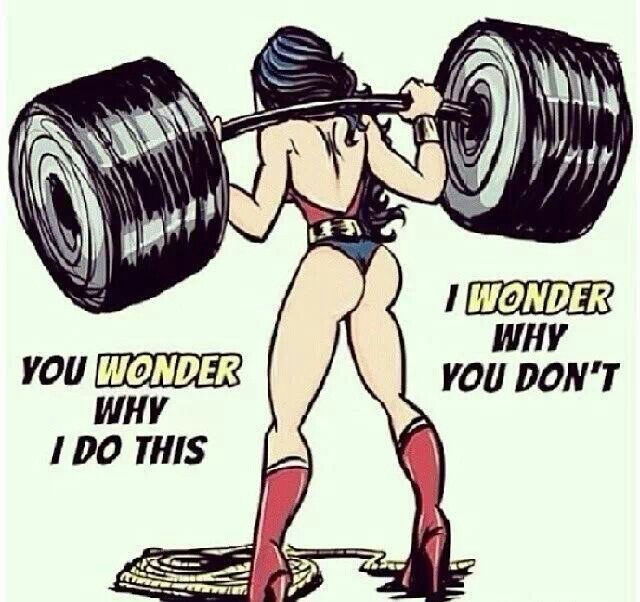
• Improved body composition
• Defined or ‘toned’ Glutes
• Strong core, predominately the ‘posterior core’ muscles
• Increased upper body strength
• Faster speed and greater jumping ability
• Greater calorie burn when compared to partial or parallel squats
Despite these benefits, not everyone can squat or needs to squat….yet. So, why might the squat not be for you right now? The squat requires a lot of mobility when performed correctly using full range of movement. Full range means the ability to sit deep into the squat with your hips below your knees while keeping your heels planted on the floor and your body upright. If you can’t achieve this position, you are seriously cutting the full benefits of the squat. But why might this be?A study from the Journal of Strength and Conditioning used electromyographic surface electrodes on the glutes along with three other hip and thigh muscles to track the electrical activity of the four muscles during the squat at three different depths. Partial, parallel and full depth squats. The results showed an 18.5% and 7.4% increase in glute activity during the full depth squat when compared to the partial and parallel squat [1]. This increase in muscular activity also increases your energy expenditure, which will lead to an increase in the amount of calories burned when compared to the partial or parallel squat [2]. So, if you want to burn calories while building your glutes then the full depth squat is definitely for you.
Still not convinced you need to squat? Studies have shown that resistance training, including squatting, can improve overall body composition and decrease body fat. I know what you’re thinking….squats can decrease my body fat without doing hours on the treadmill? They certainly can. This was shown in a study on hispanic adolescents comparing resistance training to typical school physical activities [3]. The adolescents who took part in a 12 week resistance programme including squats saw a decrease in body fat as well as an increase in condition and stamina. These results were not seen in the adolescents taking part in their regular physical activity sessions.
Lastly, if you regularly find yourself in the strecthing zone of your gym, banging out numerous sets and reps of crunches on the stability ball in the search for your flat stomach and defined abs, then the squat could be a much more efficient use of your time. Having great abs is 75% diet, 20% whole body training and 5% ab training. Whenever you get the idea that doing another 100 sit ups or training your abs every day would magically melt the fat away… you better save the time for some serious squatting, deadlifting or high intensity interval training if you want your abs to shine in their full glory, which brings me back to my previous point that squatting is a big component of any weight loss programme. But, not only can the squat help reveal your abs it can also help build them.
Squats are typically loaded from the top to bottom, usually in the form of a barbell, dumbbell or kettlebell. This requires your body up stay upright while holding a heavy load causing your core to work double time. Notice I use the word ‘core’ and not abs. The core is comprimised of much more than just the rectus abdominis aka. the six-pack and although direct ab work will tax the rectus abdomins to a greater degree it’s important to note that the back squat works the core as a whole, especially the ‘posterior core’ (lower back) more effectively than your average crunch or sit up (Boeckh-Behrens & Buskies. 2000).
So if the bikini is waiting for you, I personally would reduce your time in the stretching zone and get yourself over to that squat rack.
Stay tuned for part 2 where I will be discussing how to squat, how low you should squat and whether you have earned the right to squat.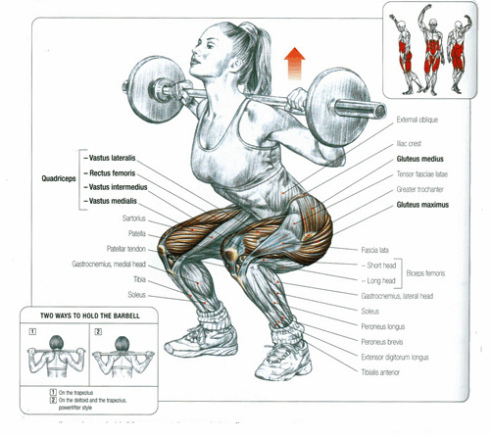
Sources:
[1] Caterisano A, Moss RF, Pellinger TK, et al. The effect of back squat depth on the EMG activity of 4 superficial hip and thigh muscles. J Strength Cond Res. 2002;16(3):428-32.
[2] Drinkwater EJ, Moore NR, Bird SP. Effects of changing from full range of motion to partial range of motion on squat kinetics. J Strength Cond Res. 2012;26(4):890-6. doi: 10.1519/JSC.0b013e318248ad2e
[3] Velez A, Golem DL, Arent SM. The impact of a 12-week resistance training program on strength, body composition, and self-concept of Hispanic adolescents. J Strength Cond Res. 2010;24(4):1065-73. doi: 10.1519/JSC.0b013e3181cc230a.
About Becky Hodgson
As a successful 800m runner for Oxfordshire Athletics I have a strong postion on evidence based training and application. Strength training is my passion, passing my knoweldge of lifting on to help other women like myself to see both the physical and practical benefits that strength training has to offer.
You can find me on Facebook, or why not even give us a Tweet @Hall_Training
5 reasons why women should be weight training!
“I’m all about them weights, ’bout them weights, no treadmill!”
I wish this was a line more women repeated, as I find a lot of women in the gym are either reluctant or too scared to lift weights. The main belief is that “lifting weight will make me bulky…” Although it is true, lifting weights will encourage muscle size and volume, weights alone cannot elicit a sufficient hypertrophic response unless you have everything else in place too, i.e diet, sleep, etc.
In fact, there are multiple reasons why women should be lifting weights if they’re serious about improving their health and physique. It’s time to break up with the treadmill and think about entering a new relationship with something a lot more stable, solid, and above all with having a positive impact on your life!
Here are just five reasons why I think strength training will be your perfect partner:
1) Increased calorie expenditure
Resistance training helps to increase muscle tissue and increase energy expenditure hours after you train. A study published by the National Institute of Health showed a 7.4-8.7 percent increase in resting metabolic rate (RMR) was observed 24hrs after resistant training [1]. Strength training also helps to build muscle, which helps to burn calories at rest. It was thought muscle burnt 30-35 calories per day per pound [2]. Unfortunately, this was later disproven with an actual finding of around 6 calories a day per pound [3]. Despite this being a lot lower than originally thought, these calories add up over time.
2) Improved sleep quality
Strength truing greatly improves sleep quality, adding in the ability to fall asleep quicker, stay sleep and enter a deeper sleep. Research suggests that morning resistance training or high intensity training greatly affects the quality of sleep and lengthens the time of sleep the night after training [4].
3) Better Heart Health
A study in the Journal of Strength and Conditioning found that those who participated in strength training were less likely to have heart disease as improved the risk factors associated around heart disease such as:
• large waist circumference
• high triglycerides
• elevated blood pressure, and elevated glucose levels [5].
Another study conducted by researchers in Brazil found that blood pressure and resting heart rate were significantly lower the following the morning of a resistance based program [6].
4) Stress Reliever
Don’t deny it! We all know women tend to get worked up and hot under the collar, mainly as a result of us men, but, exercise in general is a great way to manage this stress. Researchers have consistently found that those who regularly strength train tend to manage stress better and experience fewer adverse reactions to stressful situations as those who do not exercise [7].
In addition, resistance training studies on older adults show that moderate intensity weight lifting improves memory and cognitive function, which is great for you! Not only do you get to offload the stress we cause you, but, you’ll also remember what we did, ready to recall it again, 5 years down the line!
5) Improved Bone Health
Twenty percent of Caucasian women age 50 and older are estimated to have osteoporosis with one in two women over the age of 50 breaking a bone because of osteoporosis [8]. Postmenopausal women are at a greater risk for osteoporosis because the body no longer secretes estrogen [9]. Resistance training is an excellent way to combat loss of bone mass, and it decreases the risk of osteoporosis. A study conducted at McMaster University found that after a year of resistance training, postmenopausal women increased spinal bone mass by 9 percent [10].
So, the next time you enter the gym, and through the habit, hop on to the treadmill, take a minute or two to remember these points and utter the words – “it’s all about them weights, ’bout them weight, no treadmill!” Trust me, your body will thank you for it!
If you believe weight training will have a positive impact on your health and physique but feel a little out of your depth, then why not take a look at our online personal training packages. Alternately, if you wish for something a little more personal, then take advantage of our complementary training consults – book yours today and discover how strength training can change your life for the better!
Sources
[1] Kirk, Erik P., et. Al. Minimal resistance training improves daily energy expenditure and fat oxidation” Med Sci Sports Exerc. 2010; 41(5): 1122-1129
[2] Van Etten, L.M., et al.. Effect of an 18-wk weight-training program on energy expenditure and physical activity.. J Appl Physiol. 1997 Jan;82(1):298-304.
[3] Wang, Z., Heshka, S., Zhang, K., Boozer, C.N., & Heymsfield, S.B. (2001). Resting energy expenditure: systematic organization and critique of prediction methods. Obesity Research, 9, 331-336
[4]Roveda, Eliana, et. Al. Effects of endurance and strength acute exercise on night sleep quality.” International SportMed Journal. 2011; 12(3): 113-124.
[5] Magyari PM, Churilla JR. Association between lifting weights and metabolic syndrome among U.S. Adults: 1999-2004 National Health and Nutrition Examination Survey. J Strength Cond Res. 2012 Nov; 26(11): 3113-7.
[6] Cardoso, Crivaldo Gomes, et. Al. “Acute and chronic effects of aerobic and resistance exercise on ambulatory blood pressure.” Clinics (Sao Paulo). 2010; 65(3):317-325.
[7] Stone M, Stone Meg, Sands W. Psychological Aspects of Resistance Training. In: Principles and Practice of Resistance Training. Champaign, IL: Human Kinetics; 2009. p. 229-241.
[8] National Osteoporosis Foundation http://nof.org/articles/235
[9] Garnero P, Sornay-Rendu E, Claustrat B, Delmas PD. Biochemical markers of bone turnover, endogenous hormones and the risk of fractures in postmenopausal women: the OFELY study. J Bone Miner Res. 2000;15(8):1526-36.
[10] Muir JM, Ye C, Bhandari M, Adachi JD, Thabane L. The effect of regular physical activity on bone mineral density in post-menopausal women aged 75 and over: a retrospective analysis from the Canadian multicentre osteoporosis study. BMC Musculoskelet Disord. 2013 Aug 23; 14: 253.
About Chris Hall
As the founder of Hall Training Systems, it is my mission to provide you with the very best personal training experience. I set up Hall Training Systems as Oxford’s leading personal training service in nutrition, performance and weight loss, ensuring I can deliver the very best in training techniques.
You can find me on Facebook, Google+ or why not even give us a Tweet @Hall_Training